Choosing between a whole home generator vs portable generator Texas depends on your budget and power needs; standby units provide automatic, seamless coverage for the entire house during outages. While portable models are more affordable, whole-home systems are more reliable for North Texas residents who need to power multiple air conditioning units and major appliances simultaneously. The decision rests on whether you prioritize the lower upfront cost of a portable unit or the convenience and high capacity of a permanent installation.
As a homeowner in North Texas, you know that a power outage is far more than a simple inconvenience. It represents a direct threat to your comfort and safety, whether you are facing a triple digit summer heatwave or an unexpected winter freeze. The reliability of our local power grid remains a constant concern; this makes the choice between a portable generator and a whole home standby system a vital decision for your family. In this guide, Bledsoe Electrical Services, LLC provides a practical comparison of these two solutions. We will explore key considerations such as fuel sources, the importance of proper sizing for Texas heat, and the specific installation costs for 2026. You will gain the expert insight needed to select a system that delivers seamless protection for your Grayson County home.
Why North Texas Homeowners are Rethinking Backup Power
The 2021 winter storm, Uri, fundamentally changed how residents in Denison and Sherman view home infrastructure. What was once considered a luxury addition is now a vital component of home safety. Between the unpredictable ice storms of winter and the violent spring thunderstorms that frequently roll through Grayson County, our local power grid faces constant environmental threats. Even during the clear days of summer, extreme heat creates significant strain on the ERCOT grid, leading to conservation alerts and the looming threat of rolling blackouts when air conditioning demand peaks.
As a local firm providing professional electrical solutions, Bledsoe Electrical Services sees firsthand how these power disruptions impact families. The debate over a whole home generator vs portable generator Texas homeowners face is no longer just about convenience; it is about maintaining a habitable environment when the temperature hits 105 degrees or drops well below freezing. A portable unit might keep your refrigerator running, but a standby system ensures your HVAC continues to function during a prolonged grid failure. For many in North Texas, having a reliable backup power strategy is the difference between staying safely in your own home or being forced to evacuate during a regional utility crisis.
Understanding Portable Generators: Flexibility and Manual Control
Portable generators are essentially mobile power plants that provide temporary electricity via internal combustion engines or large-scale batteries. Most units found in Denison and Sherman run on gasoline, though many modern models offer dual-fuel capabilities, allowing them to switch between gas and liquid propane. While these units are versatile and significantly less expensive than permanent installations, they are defined by their manual requirements.
When the power goes out, a homeowner must be present to wheel the generator out of storage, fill it with fresh fuel, and pull the starter cord. This manual setup process also involves managing heavy-duty extension cords or connecting the unit to a pre-installed inlet box. For many residents in our Grayson County service areas, a portable unit is a practical solution for keeping a refrigerator running, powering a few LED lights, and operating a small window AC unit to create a "cool room" during a summer outage.
The manual nature of these units means you cannot benefit from them if you are away from home during a storm. Furthermore, safety is a paramount concern. Portable generators produce high levels of carbon monoxide and must be operated at least 20 feet away from any windows, doors, or vents. They should never be run in a garage or under an eave, even with the door open, as CO poisoning is a leading cause of injury during North Texas power outages. When evaluating the whole home generator vs portable generator Texas homeowners often choose portables for their lower entry cost, provided they are willing to handle the physical labor and strict safety protocols required for each use.
Whole Home Standby Generators: Seamless Protection for Grayson County
While portable units offer a temporary fix, a whole home standby generator serves as a permanent utility upgrade for your property. These units, typically manufactured by industry leaders like Generac or Kohler, are installed on a concrete pad outside your home, similar to a central air conditioning condenser. Unlike portable models that require manual fueling, a standby system integrates directly into your home’s existing natural gas or liquid propane lines. This constant fuel supply eliminates the need to stockpile gasoline or venture outside during a severe Grayson County storm.
The defining feature of a standby system is the Automatic Transfer Switch (ATS). This component acts as the brain of your electrical system, constantly monitoring the incoming utility voltage. When the grid fails, the ATS detects the drop and signals the generator to start. Within seconds, it disconnects your home from the dead utility lines and establishes a connection to the generator. This process happens automatically, whether you are sleeping, at work, or vacationing away from home.
When weighing the whole home generator vs portable generator Texas homeowners must consider the gold standard of protection. For families relying on medical equipment like CPAP machines or home dialysis, or those who cannot risk their HVAC systems failing during a triple digit heatwave, the seamless transition of a standby unit is indispensable. It provides the capacity to run high draw appliances, including multiple 5-ton AC units, ensuring your household remains comfortable and functional. If you are ready to evaluate your home’s capacity for such a system, you can contact Bledsoe Electrical Services for a detailed site assessment.
The 80 Percent Rule and Sizing Your Generator for Texas Heat
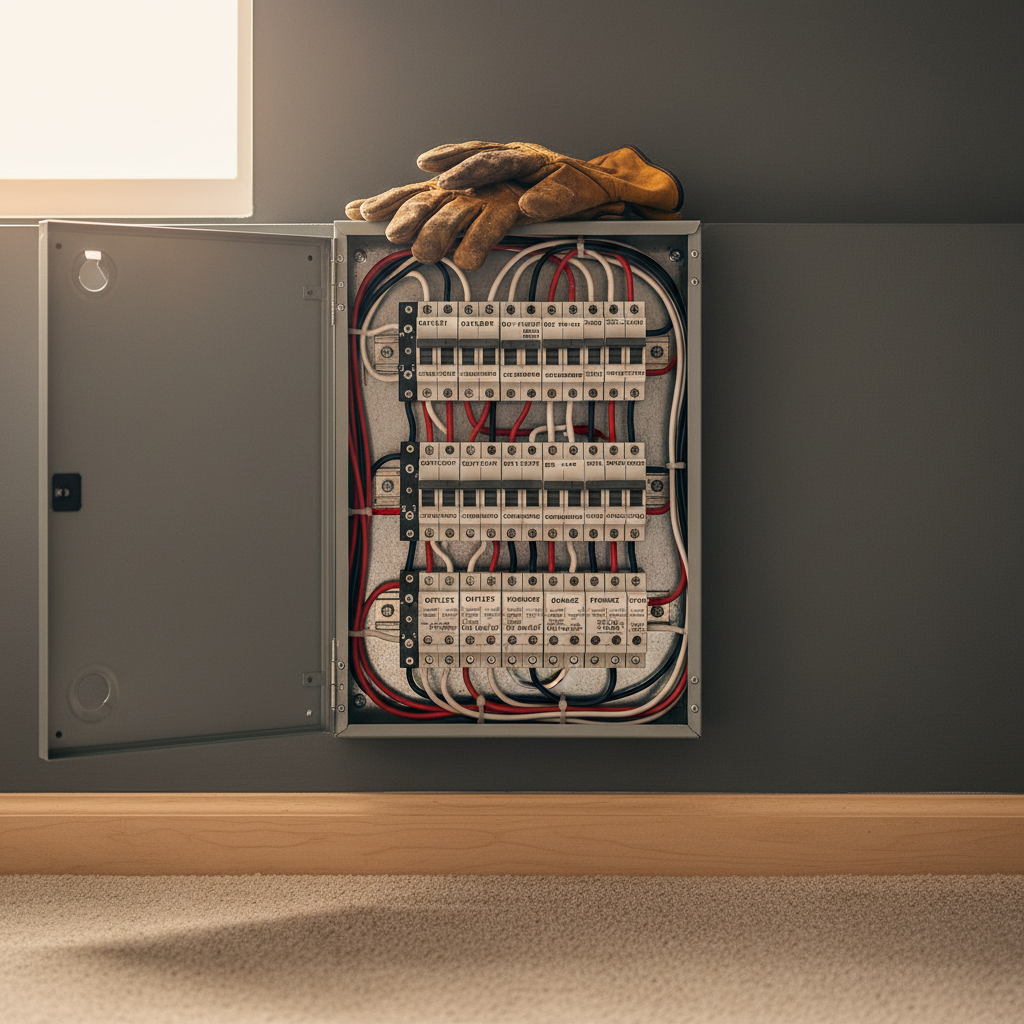
Selecting the right capacity for your backup system involves understanding the 80 percent rule. This industry standard dictates that a generator should never operate at 100 percent of its rated capacity for extended periods. Operating a unit at its absolute limit for hours leads to overheating, voltage fluctuations, and eventual mechanical failure. For optimal longevity and safety, your continuous electrical load should stay at or below 80 percent of the generator’s maximum output.
In North Texas, the primary challenge for any backup system is the air conditioner. A standard AC unit requires a massive surge of electricity, known as starting amps, to get the compressor running. Local forum discussions frequently highlight the frustration of homeowners who find their systems stalling when trying to run three AC units simultaneously during a grid failure. Without a precise understanding of these peak demands, you risk purchasing a unit that cannot handle the heat of a July afternoon in North Texas.
While online calculators offer a rough estimate, they often fail to account for starting loads or the way high ambient temperatures in Grayson County can reduce a generator’s efficiency. A professional load calculation from a licensed electrician is the only way to ensure your system is accurately matched to your home's specific footprint. This technical precision is a vital consideration in the ongoing debate of whole home generator vs portable generator Texas families must navigate to ensure long term reliability.
Critical Components: Transfer Switches and Interlock Kits

How a generator connects to your electrical panel is just as critical as the unit itself. For portable setups in Grayson County service areas, running extension cords through cracked windows is a significant safety risk that invites carbon monoxide and security concerns. A safer, professional alternative involves installing a manual transfer switch or an interlock kit. An interlock kit is a mechanical safety device that prevents your generator from backfeeding power into the utility grid, which protects utility workers and prevents equipment damage.
Standby units utilize an Automatic Transfer Switch (ATS), which is the primary technical distinction in the whole home generator vs portable generator Texas debate. The ATS serves as the brain of the system, instantly isolating your home from the grid and engaging the generator. Some larger North Texas properties feature multiple service entrances, requiring more than one ATS. Regional pricing for adding a second transfer switch typically averages around $1,500. This ensures every sub-panel in a larger residence remains operational during a blackout.
Comparing Generator Installation Costs in North Texas 2025
Financial planning for backup power in the Denison and Sherman area requires looking at both immediate out of pocket expenses and long term property value. For many homeowners, a portable setup offers a lower entry point. A high quality portable unit paired with a professionally installed interlock kit typically ranges from $1,500 to $3,500. This price covers the generator itself, the inlet box, and the labor to modify your electrical panel safely.
Standby systems involve a more significant capital investment. In 2026, a whole home installation in North Texas generally ranges from $12,000 to over $20,000. These figures include the generator unit, the automatic transfer switch, the poured concrete pad, and the necessary plumbing to connect to your natural gas or propane service. The final price often hinges on the distance between your gas meter and the electrical panel, as well as the total amperage required to support large HVAC loads.
When weighing the whole home generator vs portable generator Texas market trends, remember that a permanent standby unit is a permanent home improvement. Local real estate data suggests these systems can significantly boost resale value, as buyers in Grayson County increasingly prioritize energy resilience. For a precise quote tailored to your property, you can contact Bledsoe Electrical Services to schedule a consultation.
Fuel Sources: Natural Gas, Propane, and Gasoline in Texas
Selecting a fuel source is a logistical decision that directly impacts your home’s resilience during a prolonged outage. Portable units almost exclusively rely on gasoline. While gasoline is accessible under normal conditions, it becomes a liability during widespread North Texas storms. When the local grid goes down, gas stations often lose the power required to operate their pumps, making a refill impossible. Gasoline also requires fuel stabilizers for long term storage and poses a fire risk when kept in large quantities near the residence.
For homeowners with a standby system, the fuel supply is typically automated. Many residences within the Denison and Sherman city limits already have natural gas service, allowing for a continuous fuel stream that never requires a manual refill. If your property is more rural and utilizes liquid propane, a 500 gallon tank is the standard for reliability. A common question we encounter is how long will a 500 gallon propane tank last; typically, a 20kW unit operating under a moderate electrical load will run for roughly one week on a full tank.
This hands off approach is a significant factor in the whole home generator vs portable generator Texas comparison. It ensures that even if the roads are iced over or local stations are closed, your backup system remains operational without human intervention. For those looking to integrate these systems into their existing utilities, professional electrical solutions ensure the connection meets all local safety codes and manufacturer specifications.
Making the Choice: Which System Fits Your Lifestyle?

Deciding between a whole home generator vs portable generator Texas residents often find that the choice comes down to personal priorities and physical capability. A standby system functions as an insurance policy for your lifestyle, while a portable setup acts as a tactical tool for emergency survival.
Feature | Portable Generator Setup | Whole Home Standby System |
|---|---|---|
Operation | Manual setup and refueling required. | Fully automatic via transfer switch. |
Power Level | Selected circuits or essentials only. | Full home power, including central AC. |
Fueling | Gasoline, propane, or dual fuel tanks. | Direct line to natural gas or propane. |
Ideal Use | Budget conscious, manual labor okay. | Medical needs, travelers, total comfort. |
A portable system is often sufficient for homeowners in Grayson County service areas who prioritize cost and only need to maintain basic lighting and food preservation. This choice requires a commitment to regular maintenance, manual operation during storms, and safe fuel storage.
In contrast, a whole home standby system is the superior choice for those who cannot risk a loss of climate control during North Texas heatwaves or those with critical medical needs. Because these units provide a seamless transition, they offer the highest level of security for property and person. Before moving forward with any installation, it is vital to have a licensed electrician perform a formal site assessment. This ensures your electrical panel can safely handle the integration and that your chosen system meets all local safety standards. For expert guidance on professional electrical solutions, you can contact Bledsoe Electrical Services to evaluate your property's specific requirements.
Whether you decide on the robust reliability of a whole-home system or the flexible affordability of a portable generator, your choice will ultimately depend on your family's unique needs during a power outage. North Texas weather is unpredictable, and having a plan in place is the best way to stay safe. If you want expert help determining which system fits your home and budget, you can explore our full range of Services to find the right solution. We are here to ensure your backup power is ready when you need it.