Key signs that you need an electrical panel upgrade include frequent breaker trips, flickering lights, and the presence of burning smells. Homeowners can typically expect to pay between $1,500 and $4,000 for this service, with final costs determined by the home's power needs and local labor rates.
If you find yourself frequently resetting tripped breakers or noticing that your lights flicker when the air conditioner kicks on during a humid North Texas summer, your home may be struggling to keep up with modern power demands. An outdated electrical panel is more than a minor annoyance; it is a critical safety risk that can lead to electrical fires or equipment damage. At Bledsoe Electrical Services, LLC, we understand that maintaining a reliable electrical foundation is essential for your family's safety and comfort. In this guide, we will explore the five critical signs that indicate your system is failing. We will also examine the dangers of specific legacy brands like Federal Pacific, explain how North Texas weather impacts your capacity, and provide a clear breakdown of the costs you can expect for a professional panel upgrade.
Understanding the Role of Your Home Electrical Panel
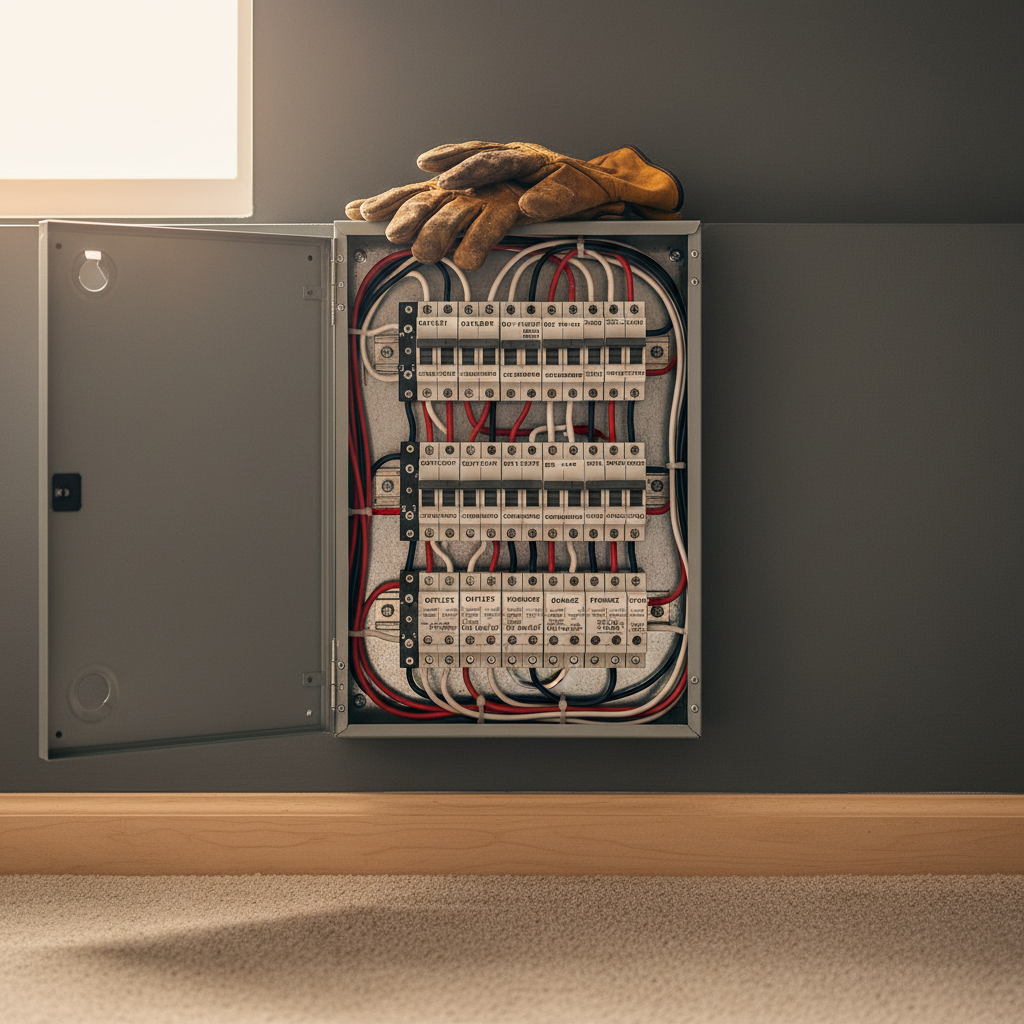
Your electrical panel, often called the breaker box or service panel, functions as the heart of your home. It receives high-voltage power from the utility grid and safely distributes it through individual circuits to your outlets, appliances, and lighting. It acts as a primary safety barrier; if a circuit draws too much power, the breaker trips to prevent wires from overheating and potentially causing a fire.
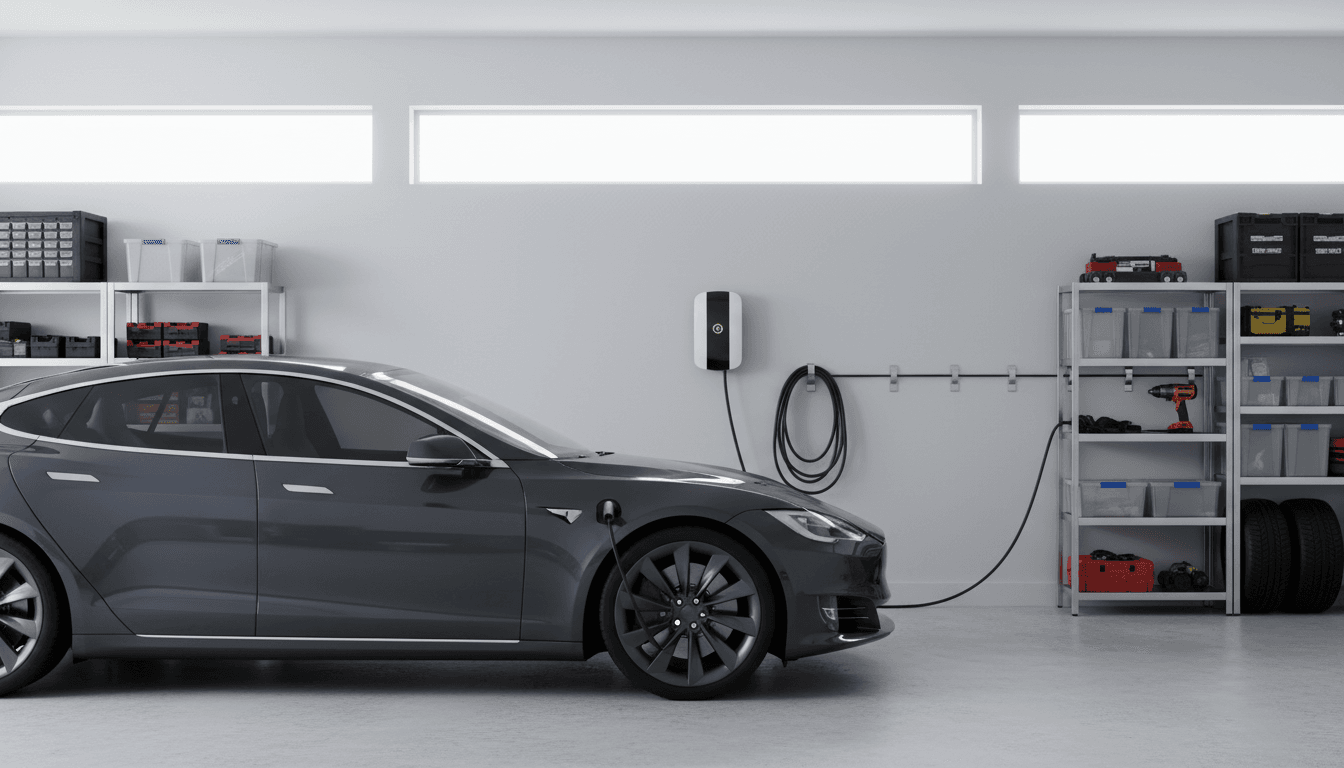
Many homes were built during an era when electrical demands were minimal. A typical mid-century house was not designed for the simultaneous load of high-efficiency HVAC systems, electric vehicle (EV) chargers, and modern kitchen technology. As you consider remodeling projects or adding new appliances, you may find that an electrical panel upgrade is necessary to keep up with these increased power requirements. At Bledsoe Electrical Services, LLC, we focus on providing reliable residential electrical solutions that ensure your home's infrastructure matches your modern daily needs.
5 Critical Signs You Need an Electrical Panel Upgrade in North Texas
Identifying the exact moment your home's electrical system has reached its limit can prevent costly emergency repairs. In our general service work across Grayson County, we frequently encounter homeowners who have simply learned to live with minor electrical nuisances that are actually symptoms of a failing system. If you notice any of the following signs, your home is likely overdue for a professional assessment.
Frequent Breaker Trips: A circuit breaker is designed to trip and shut off the flow of electricity when it senses that the demand on that circuit exceeds its safe capacity. This is a safety mechanism to prevent wires from overheating. If you find yourself walking to the garage or utility closet once a week to reset a switch, your panel is telling you it can no longer handle your home’s power load.
Flickering or Dimming Lights: If the lights dim momentarily when your air conditioner or microwave starts, it indicates a significant voltage drop. This often occurs because the panel cannot distribute power efficiently enough to support the sudden inrush current required by large appliances. This isn't just a nuisance; it can eventually damage sensitive electronics.
Physical Damage and Noises: Inspect the panel for any signs of rust or corrosion. In the humid North Texas environment, moisture can compromise the metal components over time, leading to poor connections. Additionally, if you hear a crackling, buzzing, or hissing sound coming from the box, this indicates electrical arcing, which is a severe fire hazard.
Over-reliance on Power Strips: Many older homes were built with only one or two outlets per room. If you are using multiple power strips or extension cords to power your electronics, you are likely overloading the original circuit design. An electrical panel upgrade allows for the addition of dedicated circuits to handle modern technology safely.
The Presence of a Fuse Box: If your home still utilizes screw in fuses rather than modern flip switch breakers, the system is fundamentally outdated. Fuse boxes were generally designed for 30 to 60 amps of service, whereas a modern home typically requires at least 150 to 200 amps.
The intense North Texas summer heat exacerbates these issues. When temperatures consistently exceed 100 degrees, your HVAC system runs almost continuously, placing a constant, heavy load on the panel. Aging components often fail during these peak demand periods because high ambient temperatures increase electrical resistance, making it even harder for an undersized panel to operate safely.
The Danger of Outdated Panel Brands Like Federal Pacific and Zinsco
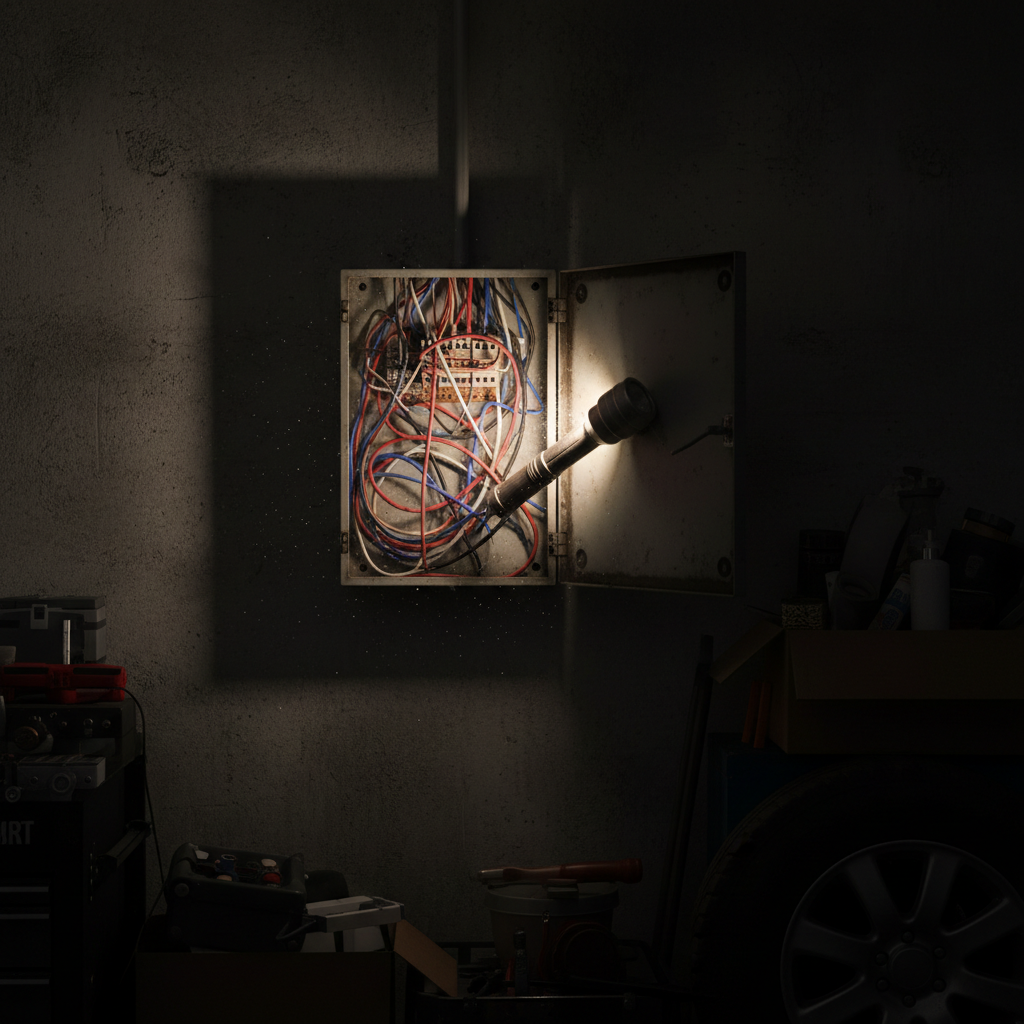
Beyond general wear and tear, certain brands of equipment installed in homes decades ago are now recognized as significant fire hazards. If your home was built between the 1950s and the 1980s, you might have a Federal Pacific Electric (FPE) or a Zinsco panel. These brands were once industry standards, but rigorous testing has since proven they have a high rate of failure.
Federal Pacific "Stab-Lok" breakers are notorious for failing to trip when a circuit is overloaded. Instead of cutting power to prevent a fire, the breaker remains closed, allowing the wires to overheat to dangerous levels. Zinsco panels suffer from a similar flaw; the breakers often melt to the bus bar, making it impossible for the circuit to shut off even during a surge. Because of these documented risks, many insurance companies now consider these panels uninsurable or require their immediate replacement before a policy can be issued.
Finding one of these brands during remodeling projects is a critical safety discovery. At Bledsoe Electrical Services, LLC, we prioritize these replacements to protect our clients from avoidable electrical fires. Identifying these hazards is a standard part of our general service work. If your home still uses one of these legacy systems, an electrical panel upgrade is a necessary safety investment. Utilizing modern residential electrical solutions ensures your property meets current codes and remains fully protected.
Estimated Costs for an Electrical Panel Upgrade in Grayson County
Once a safety hazard or capacity issue is identified, the next step is budgeting for the project. For homeowners in Grayson County, the investment for an electrical panel upgrade typically ranges from $1,500 to $4,500. This variance is largely due to the specific scope of work required to bring your home up to modern standards and local building codes.
A common point of confusion is the difference between a simple panel swap and a full service upgrade. A panel swap involves replacing the interior breaker box and the breakers themselves while utilizing the existing exterior service entrance wires. This is often sufficient if your current amperage meets your needs but the components are physically damaged or outdated. Conversely, a service upgrade involves increasing your home’s total capacity, usually from 100 amps to 200 amps. This process requires a new meter base, a new weather head, and larger gauge wire coming into the house to safely handle the increased electrical load.
Several specific factors influence the final price.
Factor | Impact on Cost |
|---|---|
Amperage Increase | Moving to 200-amp service requires more expensive copper wire and specialized exterior hardware. |
AFCI/GFCI Breakers | Current National Electrical Code (NEC) standards require Arc-Fault and Ground-Fault breakers for most residential electrical solutions. These cost significantly more than legacy breakers. |
City Permit Fees | The local cities require an electrical permit for panel replacements, which includes a professional filing and a final inspection. |
Panel Location | Labor costs increase if the panel is located in a finished wall or a difficult to access utility space during remodeling projects. |
Because every home features unique structural challenges and wiring configurations, a formal on-site quote is necessary to provide an exact figure. During our general service work, we evaluate your current load and future needs to ensure the estimate covers all necessary safety upgrades. This prevents unexpected costs during the final inspection phase when the city confirms that every circuit meets modern safety requirements.
How North Texas Climate Impacts Your Electrical Capacity
The extreme climate in Grayson County directly dictates the lifespan and performance requirements of your electrical system. During peak summer months in Denison, Sherman, and Pottsboro, residential air conditioning units frequently cycle on and off while running at maximum capacity. This constant operation places a unique stressor on your panel known as inrush current, which is the massive initial surge of electricity required to start the HVAC compressor.
If your system is aging or undersized, it may struggle to provide this instantaneous burst of power. Over time, this inefficiency leads to significant wear and tear. The breakers and bus bars can overheat, causing metal components to expand and contract excessively. This thermal stress eventually leads to loose connections, pitted contacts, and electrical arcing. Furthermore, a struggling panel often causes voltage drops that starve your AC unit of the power it needs; this can lead to the premature failure of an expensive compressor motor.
Integrating modern residential electrical solutions ensures your home can handle these heavy thermal demands without compromising safety. When we perform general service work, we often find that an electrical panel upgrade is the most effective way to protect high value HVAC equipment from climate related stress. Maintaining a robust electrical heart for your home is essential for navigating the North Texas heat safely.
The Upgrade Process: What to Expect from a Professional Electrician
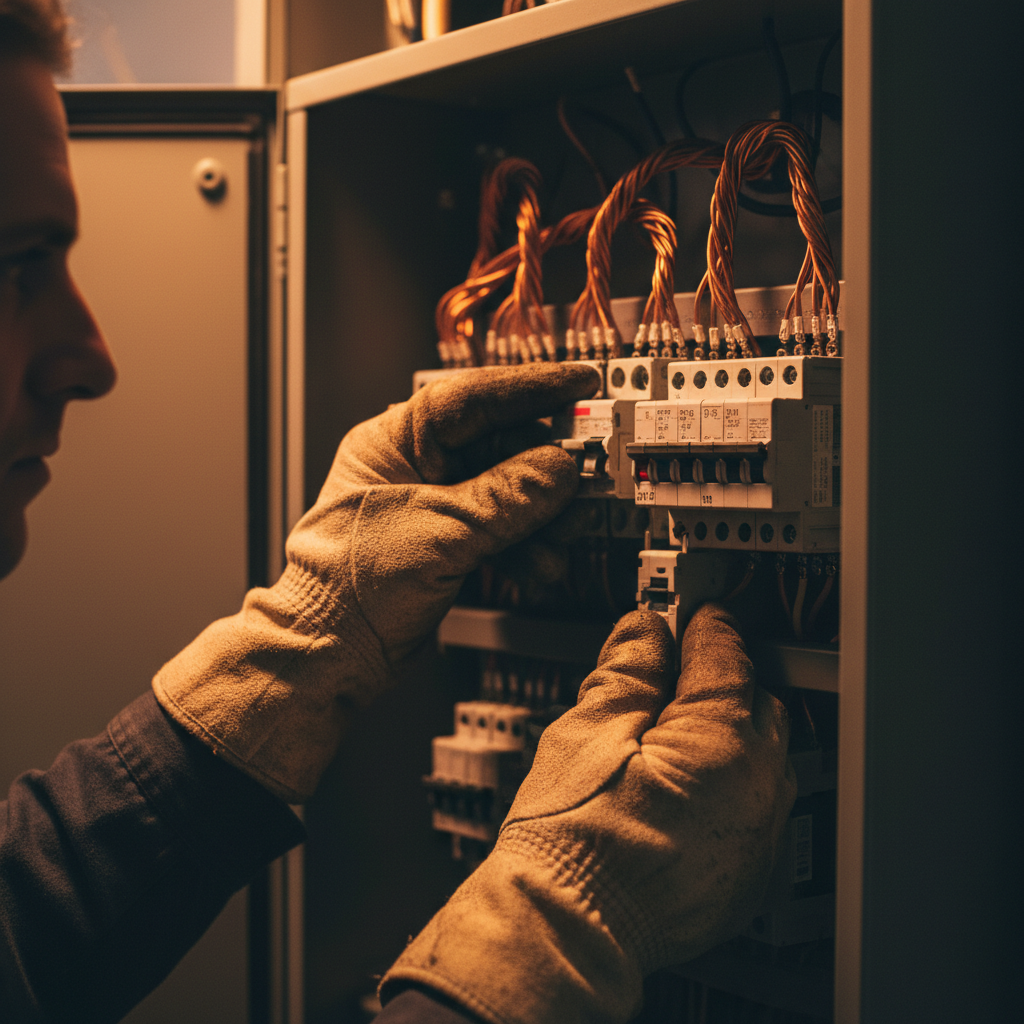
Understanding the technical requirements is only half the battle; knowing the logistics of the project ensures you are prepared for the transition. The process for an electrical panel upgrade begins with a comprehensive site assessment. We evaluate your existing wiring and calculate your current load to ensure the new system provides ample room for growth. Once the scope is defined, we handle the administrative heavy lifting, including pulling permits with the City and coordinating the disconnect and reconnect times with Oncor.
On the day of installation, you should plan for a scheduled power outage typically lasting 4 to 8 hours. Our team works efficiently to remove the legacy equipment, mount the new enclosure, and meticulously wire the new breakers to their respective circuits. This stage often involves installing modern grounding systems and surge protection to safeguard your property. After the physical installation is complete, a local inspector must verify that the work adheres to the latest safety codes. We manage this entire workflow as part of our general service work, ensuring that remodeling projects or residential electrical solutions are completed without the homeowner needing to manage multiple utility and municipal contacts.
Frequently Asked Questions About Electrical Upgrades
Homeowners often ask if a subpanel is a viable alternative to a full replacement. A subpanel adds breaker slots for remodeling projects, but it cannot increase the total amperage entering the house. If your main bus bar is already at capacity, a full electrical panel upgrade is the necessary solution.
This investment significantly boosts property value, as Grayson County buyers prioritize modern infrastructure during inspections. Furthermore, replacing hazardous legacy brands with modern residential electrical solutions often lowers insurance premiums or prevents policy cancellations. Most general service work for a panel swap is completed within 4 to 8 hours, minimizing the duration of the scheduled power outage.