To ensure power outage electrical safety north texas what to do when power goes out includes reporting the outage to your utility provider and keeping refrigerator doors closed to protect food. Residents should also unplug major appliances to prevent damage from power surges; additionally, only use portable generators in well ventilated outdoor areas and never use gas stoves for indoor heating.
When the lights flicker and the air conditioning falls silent during a North Texas storm, the immediate concern shifts from comfort to the safety of your home's electrical system. For residents in Grayson County, a power outage is more than a simple inconvenience; it is a period of high risk for electrical surges and equipment failure. Understanding how to navigate these outages is essential to protecting your property and your family. In this guide, we provide expert insight into preparing your home before the grid fails and managing immediate safety protocols during the blackout. You will learn the critical rules of generator operation, strategies for maintaining safety in extreme heat, and the necessary steps for a safe recovery once power is restored. Our goal is to ensure you have the practical knowledge required to keep your electrical system resilient throughout any North Texas weather event.
Understanding Power Outages in Grayson County and North Texas
Residents in Grayson County and the surrounding North Texas area deal with a power grid environment that is unique in the United States. Most of our local homes and businesses are connected to the ERCOT grid, which operates independently from the national interconnections. While this provides Texas with regional autonomy, it also means our infrastructure faces specific pressures during peak usage periods. Local transmission and delivery are typically managed by Oncor or member owned organizations like the Grayson-Collin Electric Cooperative and Fannin County Electric Cooperative.
The causes for local outages are often seasonal and predictable. In the spring, supercell thunderstorms and high wind events common to the Red River Valley can down poles and damage transformers in an instant. Summer brings extreme heat waves that stress the grid as demand for air conditioning nears record highs. Winter poses a different threat, particularly for properties near Lake Texoma, where high humidity and freezing temperatures combine to create heavy ice accumulation. This ice snaps tree limbs and power lines, often resulting in multi-day outages during the coldest months of the year.
Navigating power outage electrical safety north texas what to do when power goes out requires an understanding of these local vulnerabilities. A licensed electrician in Grayson County can help you identify if your home's specific electrical system is particularly susceptible to these regional stressors. By recognizing that our outages are often tied to the unique behavior of the Texas grid and our volatile climate, you can move beyond general preparedness and focus on the practical electrical steps necessary to protect your property.
Preparation: Electrical Steps to Take Before the Lights Go Out
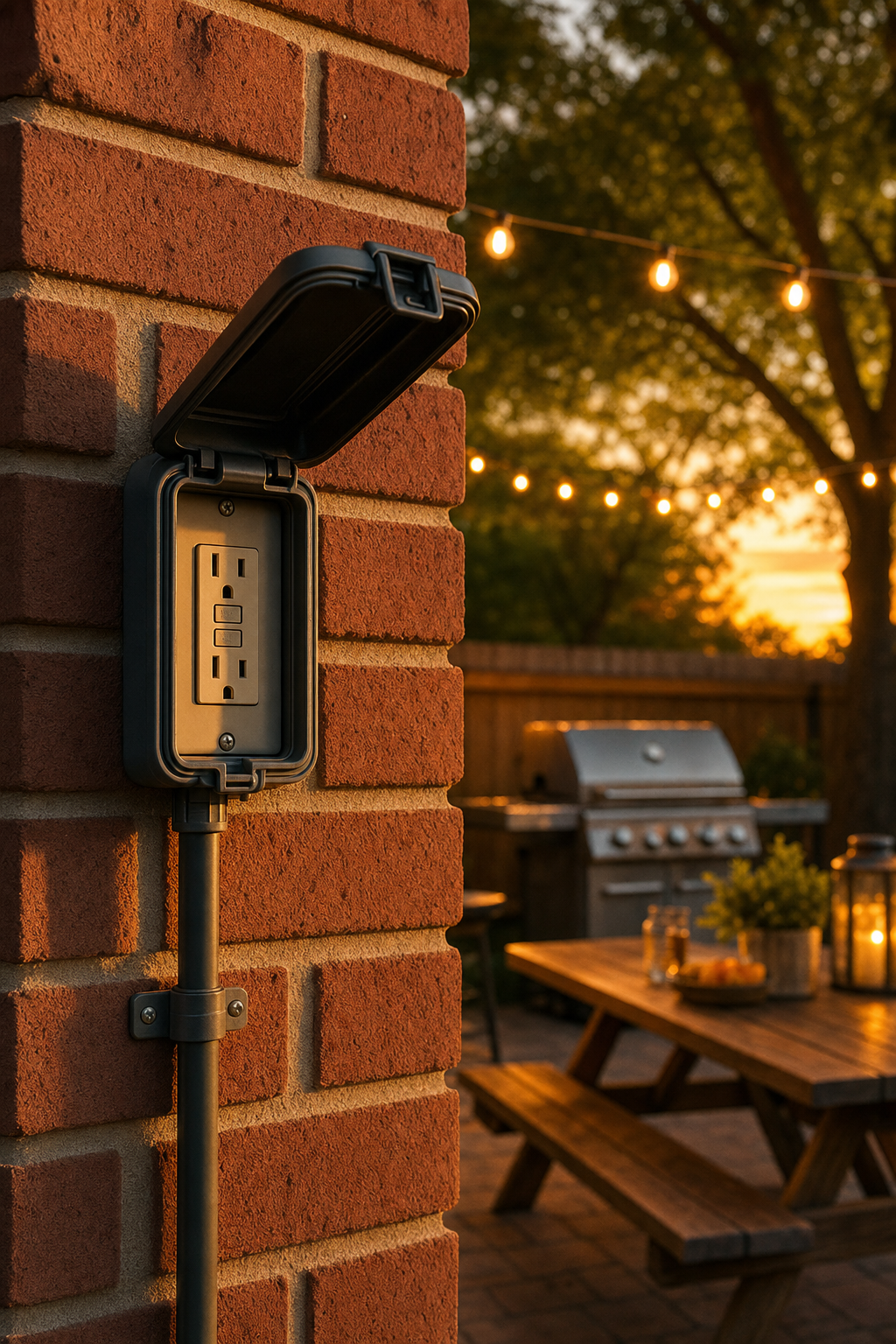
Effective preparation for North Texas storms requires moving beyond the basic emergency kit. While flashlights and batteries are necessary, the electrical integrity of your home determines how well your equipment survives the event. A professional panel inspection is the most critical first step. Over time, breakers can become loose or improperly seated. In our humid Red River Valley climate, terminal corrosion is a common issue that increases resistance and heat. A licensed electrician in Grayson County can verify that all connections are tight and that there are no signs of thermal damage or arcing. These hidden defects often go unnoticed until the system is stressed by a sudden loss or surge of power.
The most significant threat to your electronics occurs during the milliseconds before an outage and immediately after power is restored. When lines snap or transformers fail, voltage spikes often travel through the system. Installing whole home surge protection is the best way to safeguard expensive HVAC systems, well pump controllers, and high end kitchen appliances. Unlike simple power strips, these professional grade units are installed directly at the main panel to shunt excess voltage to the ground before it ever reaches your interior wiring. This is especially vital for modern homes filled with sensitive circuit boards.
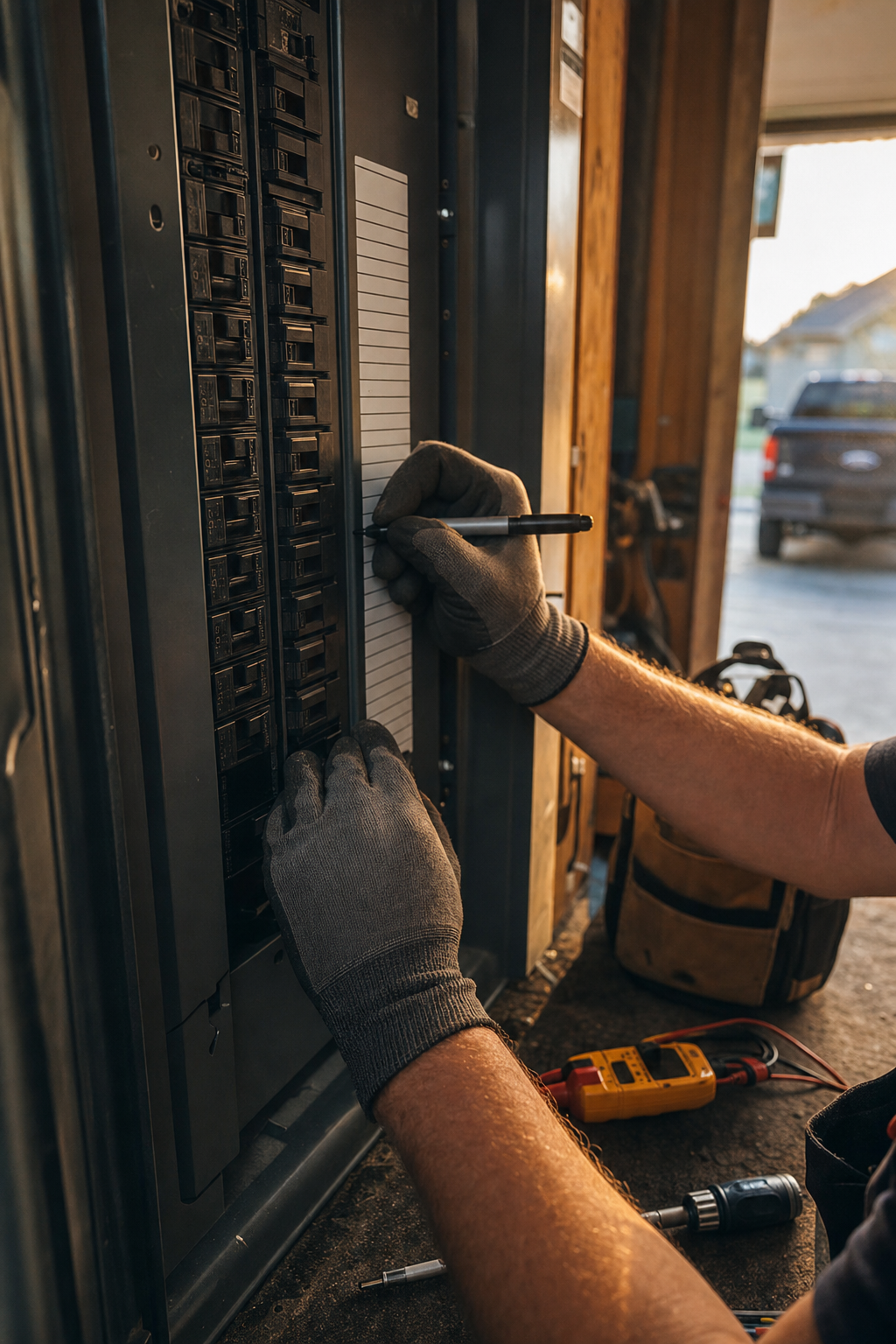
Visibility is another factor often overlooked until the lights actually fail. Ensure your breaker panel is clearly and accurately labeled. Using a permanent marker or typed labels to identify the main disconnect and critical circuits allows you to navigate the panel safely with a headlamp or flashlight. If you cannot quickly identify which breaker controls your HVAC or water heater, you are at a disadvantage when trying to manage your home's load during a crisis. Taking these proactive steps simplifies the process of managing power outage electrical safety north texas what to do when power goes out by ensuring your system is resilient and easy to navigate in total darkness.
What to Do When the Power Goes Out: Immediate Safety Actions
The first thing you should do when the power goes out is verify the scope of the failure. Look through your windows to see if streetlights or neighboring homes are dark. If the entire block is without power, the issue lies with the utility provider. If your neighbors have lights and you do not, navigate carefully to your breaker panel with a flashlight to check for a tripped main disconnect. If you find your panel is functioning but your home remains dark, it could indicate a failure in your individual service drop, which requires immediate attention from a licensed electrician in Grayson County.
Once you have confirmed a grid outage, your priority shifts to protecting your home's infrastructure from the volatile voltage spikes that often occur when power is restored. Unplug sensitive electronics including computers, televisions, and kitchen appliances. Even with whole home surge protection installed, physical disconnection is a prudent secondary defense for high value equipment.
Crucially, turn your HVAC system to the "off" position at the thermostat. When utility crews restore service, the grid often experiences significant fluctuations. If every air conditioner in the neighborhood attempts to start simultaneously, it creates a massive inrush current that can damage your compressor or cause your main breaker to trip immediately. Turning off the HVAC ensures you can manually manage the load once the grid stabilizes.
Finally, report the outage immediately. Do not assume a neighbor has already called. Use the Oncor reporting app or contact your local provider, such as the Grayson-Collin or Fannin County Electric Cooperative. Prompt reporting is essential for maintaining power outage electrical safety north texas what to do when power goes out, as it helps utility companies triangulate the fault and restore service more efficiently.
Generator Safety and Emergency Power for North Texas Homes
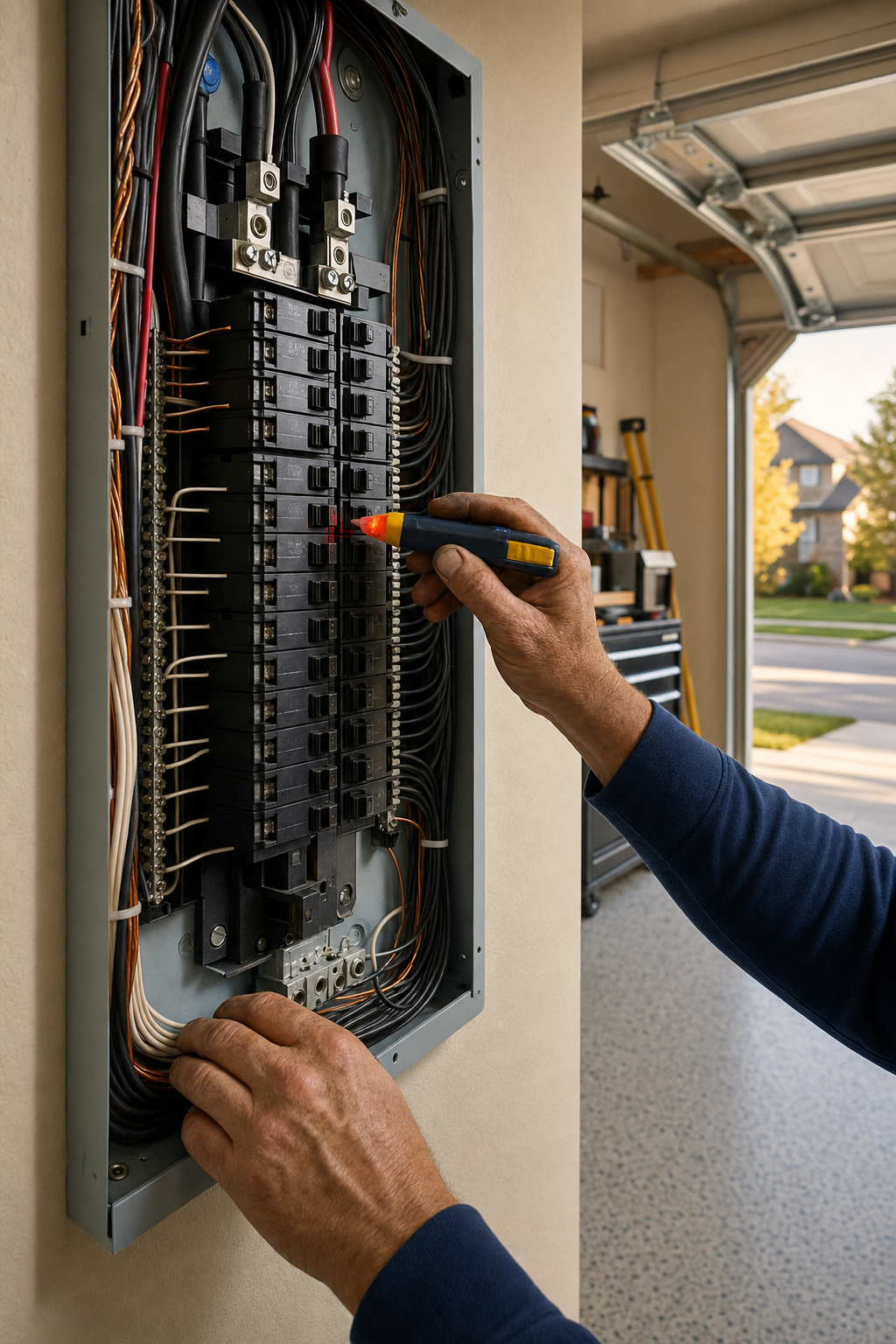
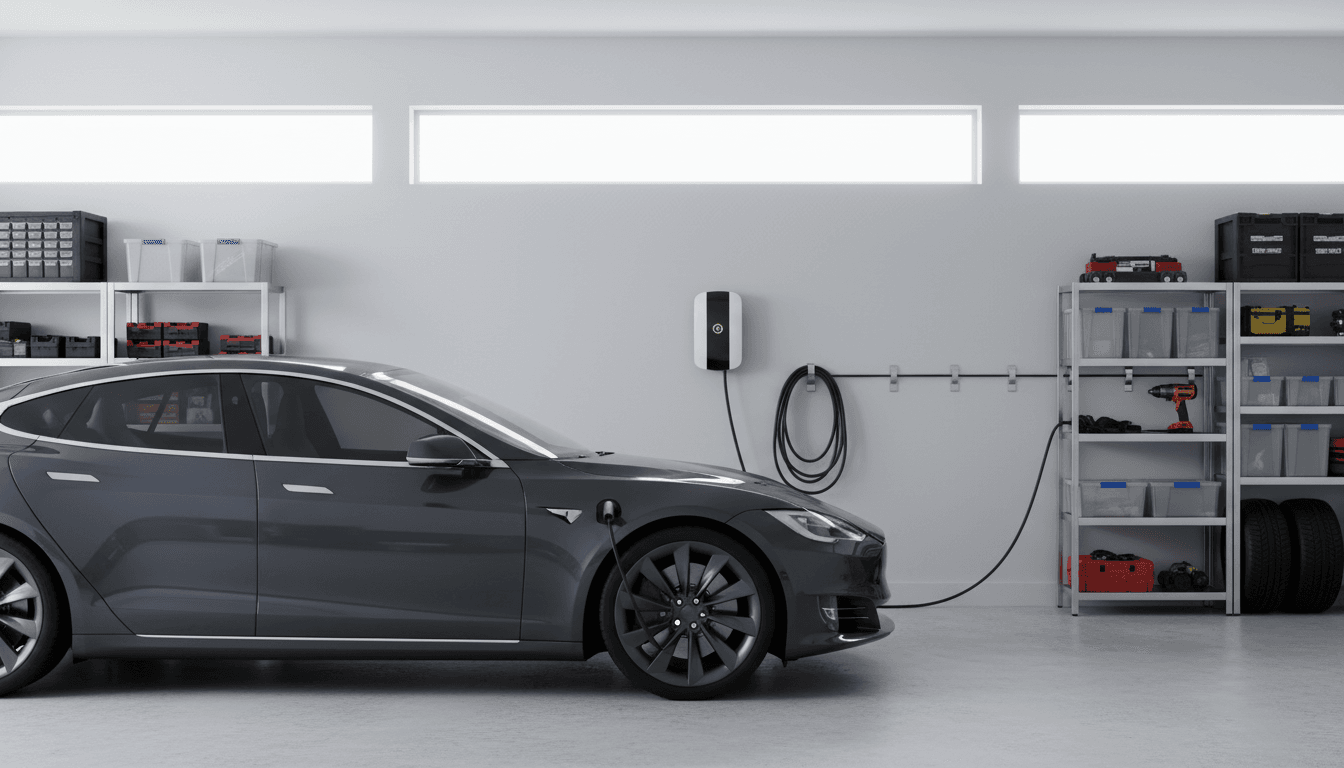
With recent projections suggesting increased pressure on the ERCOT grid through 2026, many Grayson County residents are looking for reliable backup power solutions. You generally have two primary options: portable units and permanent standby systems. Portable generators provide flexibility for short-term needs but require manual setup and constant fuel management. Permanent standby generators are professionally installed units that activate automatically using an automatic transfer switch (ATS), typically running on natural gas or liquid propane.
Maintaining power outage electrical safety north texas what to do when power goes out requires a professional approach to how these units connect to your home. The most significant danger involves "backfeeding," which occurs when a homeowner attempts to power their house by plugging a generator into a standard wall outlet or dryer plug. This practice is illegal and incredibly lethal. It sends high-voltage electricity backward through your transformer and onto the utility lines, potentially electrocuting line workers who believe the wires are dead. It also risks a house fire if the grid power returns while the generator is still running.
To prevent these hazards, a licensed electrician in Grayson County must install a dedicated transfer switch. For many local homeowners, a manual transfer switch is the most practical and cost-effective way to manage an extended outage. This device provides a safe, physical disconnect from the utility grid while allowing you to power essential circuits. In our region, this is especially critical for those relying on well pumps for water or those needing to maintain large deep-freezes. If you are ready to secure your home’s energy independence, contact Bledsoe Electrical Services to evaluate your home’s load requirements and ensure your backup system is installed to code.
Surviving the North Texas Heat: Staying Safe Without AC
When backup power is unavailable or your generator is not sized for the AC load, managing the internal temperature of your home becomes a critical safety task. During a summer grid failure, indoor temperatures in Grayson County can reach dangerous levels within hours. To maintain power outage electrical safety north texas what to do when power goes out, prioritize passive cooling techniques. Close all south and west facing blinds early in the day to block radiant heat transfer. Use battery operated fans to circulate air, but ensure the units are in good repair to avoid overheating in the stagnant air.
Safety remains the priority when looking for cooling or heating alternatives. Never use charcoal grills or camp stoves indoors for cooking, and during rare winter outages, never use a gas oven for heat. These practices introduce carbon monoxide into your home, which is a leading cause of injury during extended blackouts. If conditions become unsafe, look for local cooling centers often established at community buildings or libraries in Sherman and Denison.
For those using portable power banks for small fans, avoid daisy chaining extension cords, which creates a fire hazard. If your home struggles to stay cool even when the grid is active, a licensed electrician in Grayson County can inspect your attic's power ventilators to ensure they are functioning correctly. Properly operating ventilation reduces the thermal load on your electrical system once service is restored.
Electrical Safety After the Power Returns: The Recovery Phase
Once the lights flicker back to life, resisting the urge to immediately resume normal activity is vital for the longevity of your home’s electrical components. The recovery phase is a critical window where the grid is at its most unstable. A sequential power up is the safest approach. Wait at least 10 to 15 minutes before reintroducing major loads. This buffer allows the local utility infrastructure to balance out as thousands of nearby devices pull from the grid simultaneously.
Start by restoring your HVAC system at the thermostat. Once the compressor is running smoothly, you can begin turning on large appliances like the refrigerator and water heater one at a time. This methodical process prevents a massive inrush of current that could trip your main breaker or damage internal circuitry. Even if you have whole home surge protection installed, this stepped approach adds a necessary layer of protection for your equipment's motors.
Be vigilant for signs of partial power or brownouts. If you notice that your lights are unusually dim, or if only half of your house has power, you likely have a dropped leg of service. Residential systems utilize two 120 volt lines to create a total 240 volt service. If one leg fails at the transformer or the service drop, 240 volt appliances like your air conditioner or dryer will not function correctly, and 120 volt circuits on the affected leg will remain dead. Running motorized appliances during a brownout can cause permanent damage to the motors due to excessive heat. If voltage seems low or inconsistent, turn off the main breaker and contact a licensed electrician in Grayson County to diagnose the issue. Understanding these recovery steps is a cornerstone of power outage electrical safety north texas what to do when power goes out, ensuring that the return of electricity does not lead to avoidable equipment failure.
Post Outage Inspection: When to Call a Professional Electrician
Even if your lights are back on, subtle signs of electrical stress can develop into serious fire hazards if ignored. Understanding the final stage of power outage electrical safety north texas what to do when power goes out involves recognizing when a situation requires professional diagnostic tools rather than a simple reset.
A primary red flag is a persistent, unusual odor near your service panel or outlets. If you detect a fishy or burnt plastic smell, this often indicates that wire insulation has overheated or that arcing is occurring within the enclosure. This is an immediate safety concern that requires isolation of the circuit. Similarly, if a breaker trips repeatedly or refuses to stay in the on position, do not attempt to force it. Forcing a tripped breaker can override its safety function and lead to catastrophic failure.
Other indicators of post-storm damage include: - Flickering or dimming lights that persist long after the grid has stabilized. - GFCI outlets in kitchens or bathrooms that refuse to stay set. - Popping or buzzing sounds coming from the walls or panel when high-draw appliances cycle on.
If your home lacked whole home surge protection during a recent storm, your system may have sustained internal damage that is not immediately visible. A licensed electrician in Grayson County can perform a comprehensive safety audit to verify the integrity of your circuits. Bledsoe Electrical Services provides these specialized safety inspections for homeowners throughout Grayson and Fannin counties following major weather events. To schedule an inspection or to discuss repairs, contact Bledsoe Electrical Services to ensure your home remains safe and code-compliant.
Staying safe during a North Texas power outage starts with preparation and knowing how to handle your electrical system properly. By following these basic guidelines, you can protect your home from unexpected surges and keep your family comfortable until the lights come back on. If you want expert help ensuring your wiring is resilient or if you are considering a backup power solution, we are here to support you. You can learn more about our team and our commitment to providing reliable service throughout the local community.