Current electrical codes mandate ground-fault circuit interrupter protection for all plug-in charging outlets to ensure safety and prevent shock hazards. Meeting EV charger GFCI protection EV rated receptacle requirements involves installing listed, high-quality outlets capable of handling sustained electrical loads; however, hardwiring the charger is often recommended to avoid the nuisance tripping common with GFCI breakers.
Many North Texas homeowners think installing an EV charger is as simple as plugging in a heavy appliance, only to find their garage circuit constantly tripping or their standard outlet showing signs of heat damage. This frustration often stems from a misunderstanding of the National Electrical Code requirements regarding GFCI protection and the critical difference between a standard dryer outlet and a high-duty EV rated receptacle. Getting these details wrong is not just an inconvenience; it is a significant fire hazard that can jeopardize your home and your new vehicle investment. In this guide, we will break down the NEC 625.54 mandate, explain why nuisance tripping occurs with plug-in units, and discuss why the upcoming 2026 code changes are shifting the landscape toward professional hardwired installations.
The Evolution of Home EV Charging in North Texas
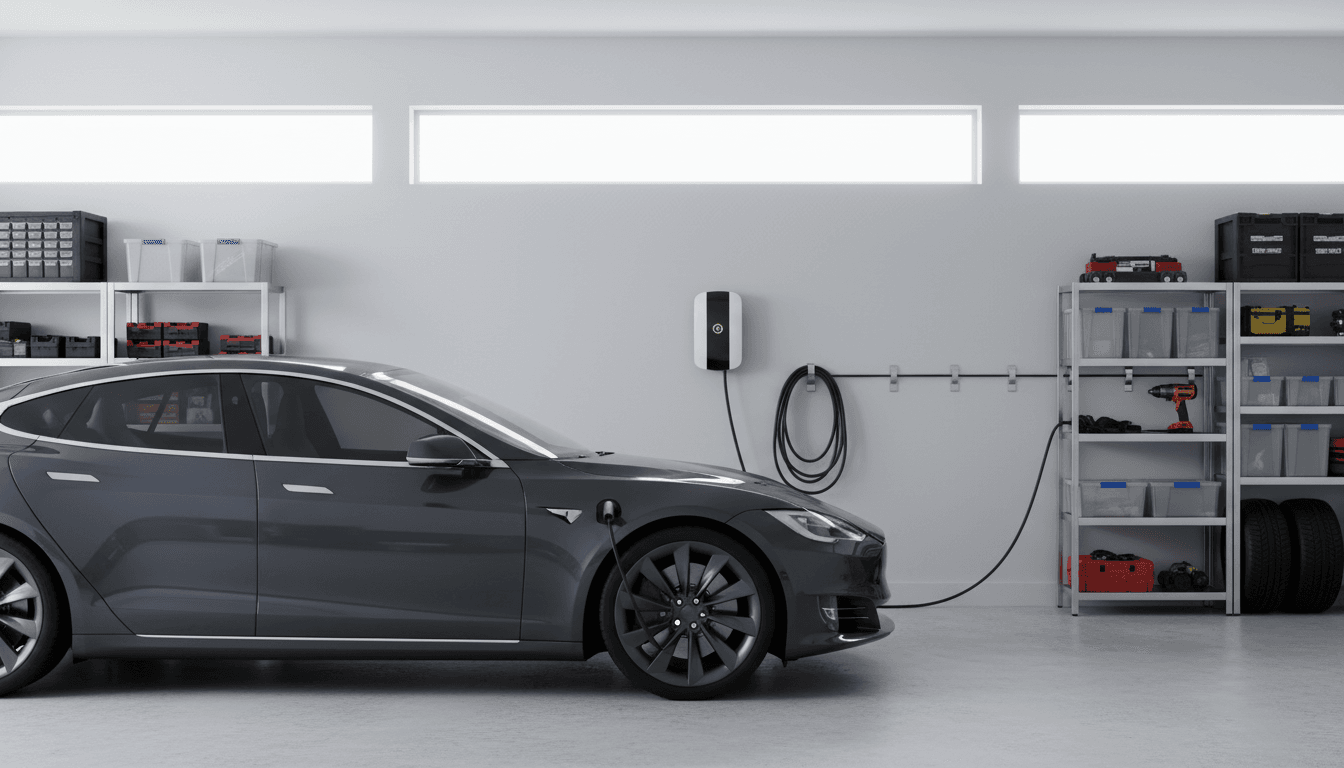
Electric vehicle ownership is no longer a niche trend in Denison, Sherman, and throughout Grayson County. As more drivers transition to electric, the demand for reliable home charging infrastructure has surged. While plugging in a vehicle might seem as straightforward as connecting a household appliance, it represents the most significant electrical load a residential system will ever encounter. Unlike a clothes dryer that runs for under an hour, an EV charger pulls maximum current continuously for eight hours or more. This sustained demand places immense thermal stress on your home's wiring and components.
Ensuring a safe installation requires navigating complex EV charger GFCI protection and EV rated receptacle requirements. These two components are the primary safeguards against electrical fires and shock hazards. Local jurisdictions in our North Texas service areas typically follow the National Electrical Code (NEC). Recent updates to these standards have tightened regulations specifically to address the unique risks of high amperage, long duration charging. Failure to meet these modern standards can lead to equipment failure or dangerous overheating. At Bledsoe Electrical Services, LLC, we prioritize these technical details to ensure every professional electrical contracting services project meets the highest safety benchmarks for our neighbors.
Understanding NEC 625.54: The GFCI Protection Mandate
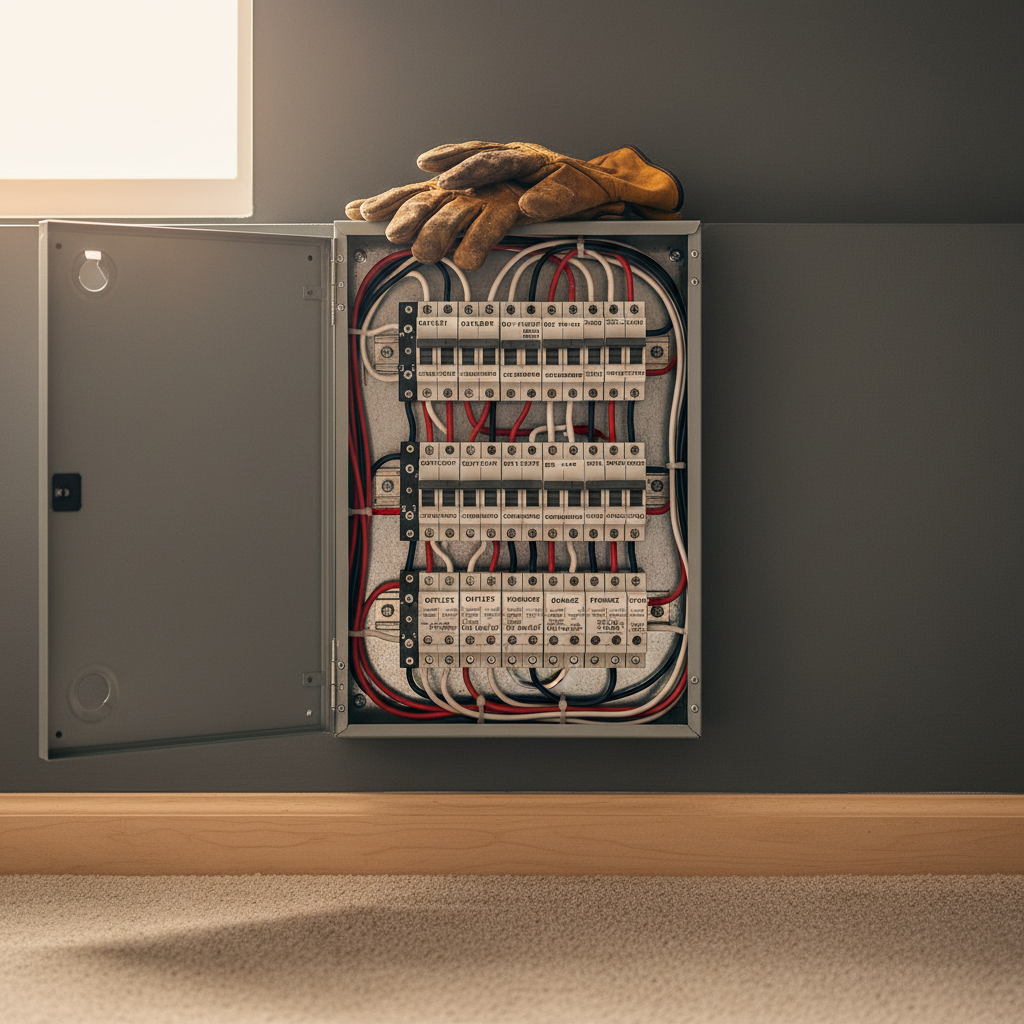
The National Electrical Code (NEC) has evolved rapidly to keep pace with EV technology, and NEC 625.54 is a cornerstone of these modern safety updates. This specific mandate requires all 125 volt through 250 volt receptacles used for electric vehicle charging to have Ground Fault Circuit Interrupter (GFCI) protection. While standard 120 volt outlets in kitchens and bathrooms have utilized this protection for decades, the requirement for high voltage 240 volt receptacles is a more recent and vital safety development for the home.
The primary goal of this mandate is user safety. In our North Texas service areas, garages and outdoor parking areas frequently experience humidity, heavy rain, or condensation. If a charging cable is damaged or moisture enters the connection point, a GFCI breaker acts as a life saving device by instantly disconnecting power when it detects a current leak. This prevents severe shock hazards that could otherwise occur when a person touches the vehicle or the charging equipment during a ground fault.
This requirement marks a significant shift from older home electrical practices. Many homeowners in Grayson County previously considered using existing NEMA 14-50 or 14-30 dryer outlets for charging to save on costs. Historically, these circuits were not required to have GFCI protection because clothes dryers were considered stationary appliances with different risk profiles. Using these legacy circuits for modern EV charging without upgrading to meet current EV charger GFCI protection EV rated receptacle requirements leaves the home vulnerable and non compliant with local safety standards. For homeowners unsure if their current setup meets these rigorous codes, you can contact our team for an EV installation quote to ensure your system is safe and up to date.
The Challenge of Nuisance Tripping with Plug-In EV Chargers
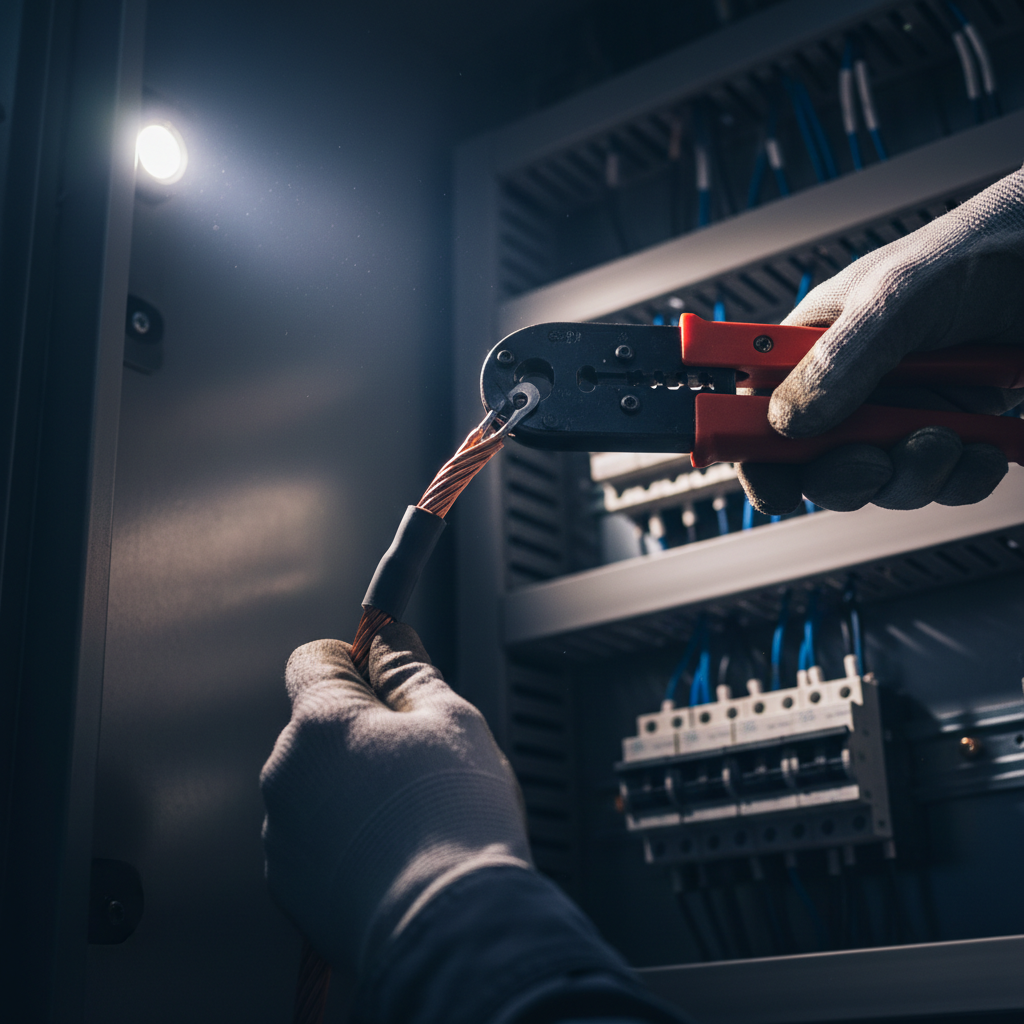
While GFCI protection is a vital safety layer, it introduces a technical complication known as nuisance tripping. This is a frequent issue we see throughout our North Texas service areas when homeowners use plug-in Level 2 chargers. You might wake up to find your car hasn't charged overnight despite there being no obvious power outage. This happens because of a conflict between two safety systems: the GFCI breaker in your main electrical panel and the Charge Circuit Interrupting Device (CCID) built into the Electric Vehicle Supply Equipment (EVSE).
Both devices are designed to monitor the balance of current and detect leakage to ground. However, they are not designed to work in tandem on the same circuit. Most modern EV chargers perform internal self-checks and monitoring routines that can involve very minor, intentional current fluctuations. When a sensitive GFCI breaker detects these fluctuations, it interprets them as a ground fault and shuts down the circuit. Essentially, the two safety mechanisms begin to fight each other, leading to random shut-offs in the middle of a charging cycle.
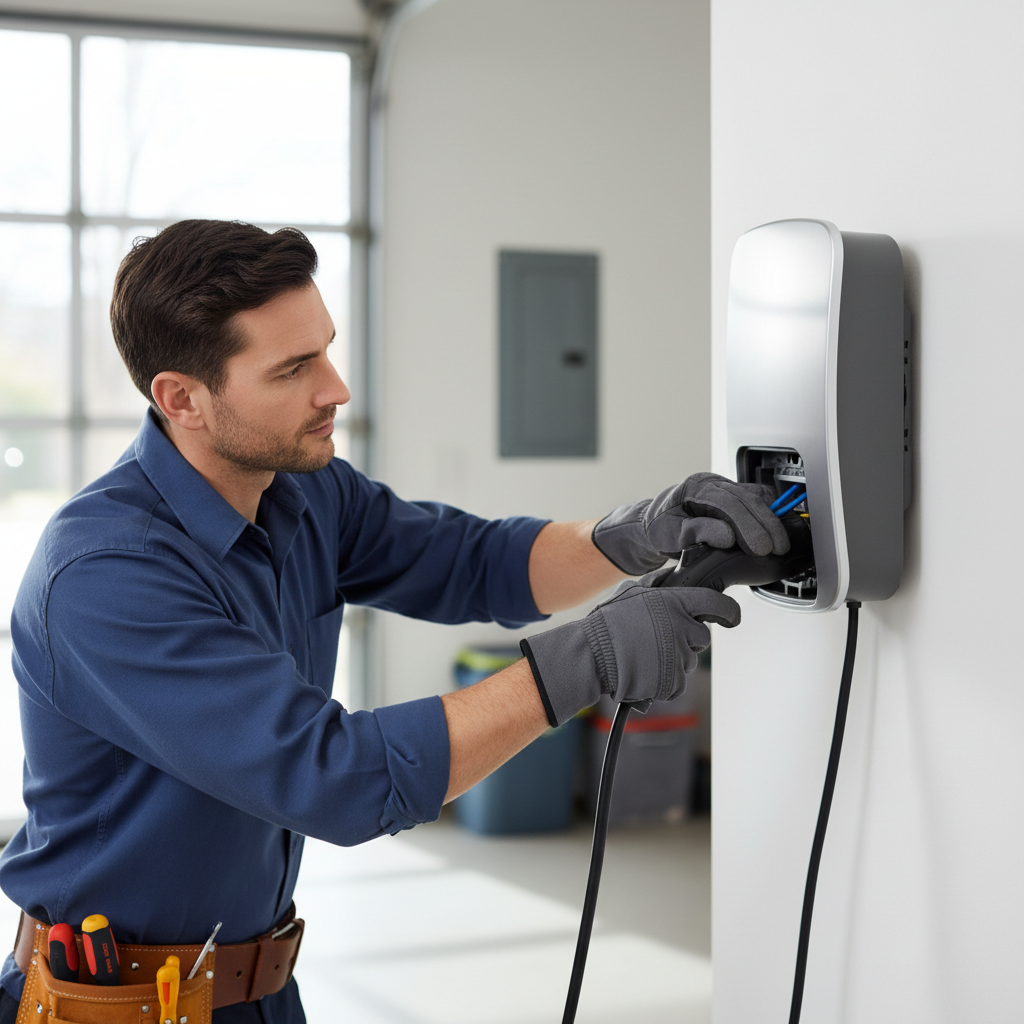
The most effective solution to this problem is hardwiring the charging station. When we perform professional electrical contracting services for a hardwired installation, the charger is connected directly to the home's wiring rather than through a plug and receptacle. According to NEC standards, hardwired units typically do not require an additional GFCI breaker at the panel because the unit's internal CCID provides the necessary personnel protection. By eliminating the redundant external breaker, we remove the source of nuisance tripping while maintaining a high standard of safety. Homeowners who want a reliable charge every morning should contact our team for an EV installation quote to discuss the benefits of a hardwired system over a plug-in model.
Standard vs EV Rated Receptacles: Why Quality Prevents Fires
If you decide to install a plug-in charger instead of hardwiring, the physical outlet becomes the most critical point of failure in the entire system. There is a massive engineering gap between a $10 residential grade NEMA 14-50 receptacle found at a big box store and an industrial grade or EV rated receptacle from manufacturers like Hubbell or Bryant. While they may look identical from the front, their internal architecture is designed for entirely different levels of stress.
Standard residential outlets are intended for appliances like clothes dryers or kitchen ranges. These are intermittent loads; a dryer might run for 45 minutes, while an oven cycles heating elements on and off to maintain temperature. An electric vehicle, however, represents a continuous load. Under the National Electrical Code, a continuous load is any draw that persists for three hours or more. In Grayson County, many drivers charge for eight to twelve hours straight to reach a full battery. This sustained demand triggers the 80/20 rule, which dictates that a circuit should only be loaded to 80% of its maximum rating for continuous use. A residential grade outlet often lacks the thermal mass to handle 40 amps of current flowing through it for half a day without overheating.
Feature | Residential Grade NEMA 14-50 | Industrial/EV Rated Receptacle |
|---|---|---|
Primary Use | Dryers, Ranges (Intermittent) | EV Charging, Welding (Continuous) |
Metal Quality | Thin plated steel or light brass | Heavy-duty high-content brass |
Clamping Force | Moderate; can loosen over time | High; maintains tight contact under heat |
Heat Dissipation | Poor; prone to plastic deformation | Superior; designed for high thermal loads |
Typical Life | 100 to 500 plug cycles | 2,000+ plug cycles |
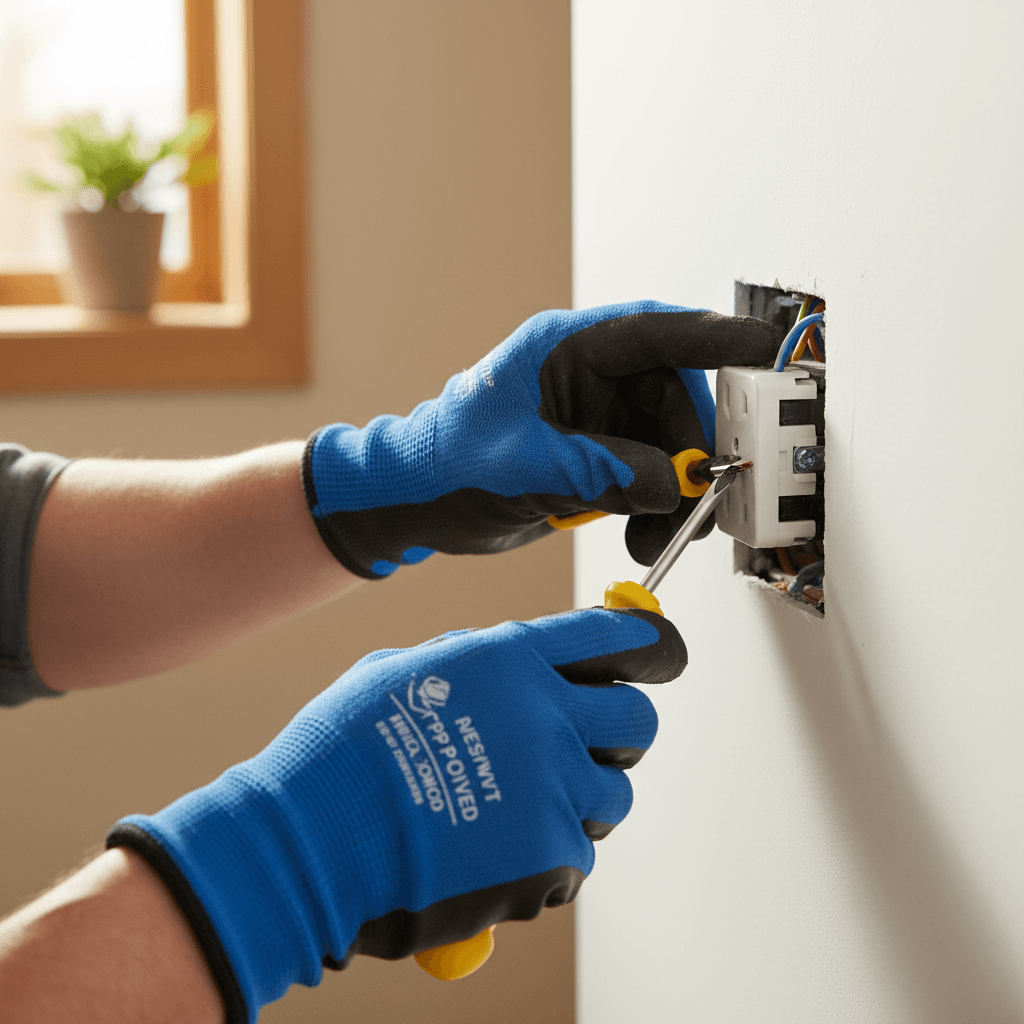
The physical differences are easy to spot once the unit is opened. Industrial grade receptacles use significantly heavier brass and reinforced clamping mechanisms. This ensures a low resistance connection between the plug prongs and the outlet. When cheap hardware is used, the thin metal contacts expand and contract with the heat, eventually losing their grip. This creates a gap where electrical arcing occurs, leading to "melted outlet" syndrome. We frequently see charred plastic and fused plugs caused by hardware that simply was not built for the job. Ensuring your professional electrical contracting services include these premium components is the only way to meet modern EV charger GFCI protection EV rated receptacle requirements safely. To avoid these fire hazards, contact our team for an EV installation quote and ensure your home is equipped with components that can handle the heat.
Upcoming 2026 NEC Changes and the End of DIY EV Installs
The electrical industry is already preparing for the 2026 National Electrical Code (NEC) revisions, which signal a significant shift toward even more rigorous safety standards. Early drafts indicate that the requirements for EV charging infrastructure will become increasingly stringent; this likely makes the era of casual DIY installations a thing of the past. These proposed changes focus on narrowing the gap between equipment capability and circuit safety, potentially mandating hardwired connections for higher amperage loads to bypass the inherent risks associated with plug-in setups.
For homeowners in Grayson county, these updates mean that a simple weekend project could quickly lead to non-compliance with local Grayson County inspectors. As the code clarifies the relationship between EV charger GFCI protection EV rated receptacle requirements and overall system reliability, the margin for error effectively disappears. Attempting to navigate these evolving mandates without specialized knowledge often results in installations that fail to meet future safety audits or homeowner insurance criteria.
Investing in professional electrical contracting services now allows you to stay ahead of these regulatory changes. By ensuring your system is designed for longevity and thermal efficiency today, you avoid the need for costly retrofits when the 2026 standards are fully adopted. To ensure your home is future-proofed and compliant throughout our North Texas service areas, you should contact our team for an EV installation quote and secure a setup that meets both current and upcoming codes.
Professional Installation vs DIY: Protecting Your Home Investment
Opting for a DIY installation to save on labor costs can lead to expensive property damage or catastrophic safety failures. In Denison and Sherman, the extreme North Texas heat adds significant thermal stress to electrical components. An attic or garage that reaches 110 degrees Fahrenheit already taxes wire insulation; adding an eight hour continuous 40 to 60 amp draw can push standard components past their thermal breaking point. At Bledsoe Electrical Services, LLC, our professional electrical contracting services begin with a comprehensive load calculation. This technical assessment ensures your main service panel can handle the new demand without causing house-wide light flickers or melting the insulation on your main feeder lines.
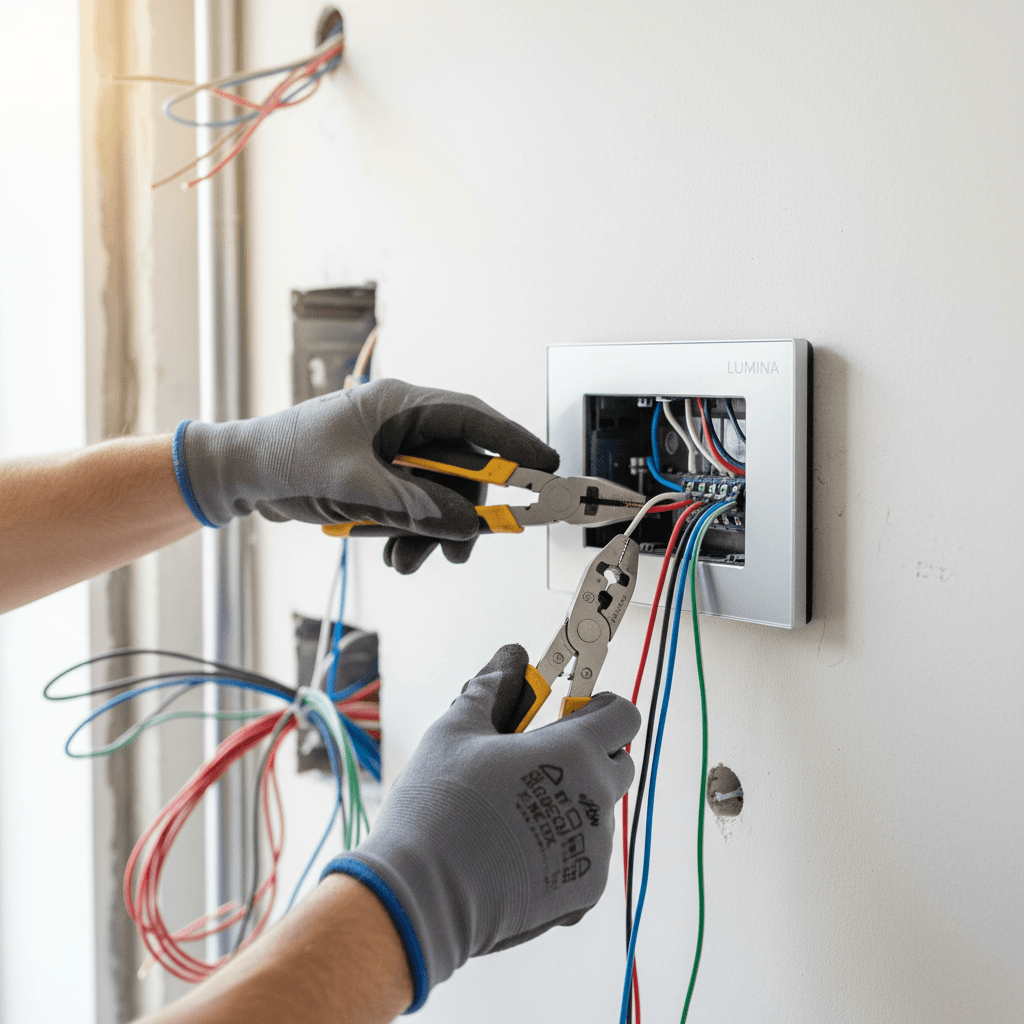
Professional installers also use calibrated torque wrenches to secure every terminal connection to exact manufacturer specifications. This is a critical step often missed in DIY projects; a loose lug creates high-resistance heating that can char a breaker long before it ever trips. Beyond physical safety, a licensed installation is typically a prerequisite for financial incentives. The 30C federal tax credit offers a significant rebate for installing EV charging infrastructure, but qualifying often requires documentation of a permitted, professional installation that complies with all current EV charger GFCI protection EV rated receptacle requirements.
For homeowners across our North Texas service areas, the peace of mind that comes with a licensed installation far outweighs the risks of an unverified setup. We ensure your system is bonded, grounded, and sized correctly for the specific climate challenges of Grayson County. To protect your home investment and ensure a reliable charge every morning, contact our team for an EV installation quote today.
Prioritizing GFCI protection and high quality, EV rated receptacles ensures that your home charging setup remains safe and efficient for years to come. These components are vital for preventing electrical fires and equipment damage. If you want expert help with your installation or simply need a professional to review your current system, we are happy to provide guidance. Feel free to browse our services to see how we can support your electrical needs. Proper installation provides the peace of mind that every electric vehicle owner deserves.