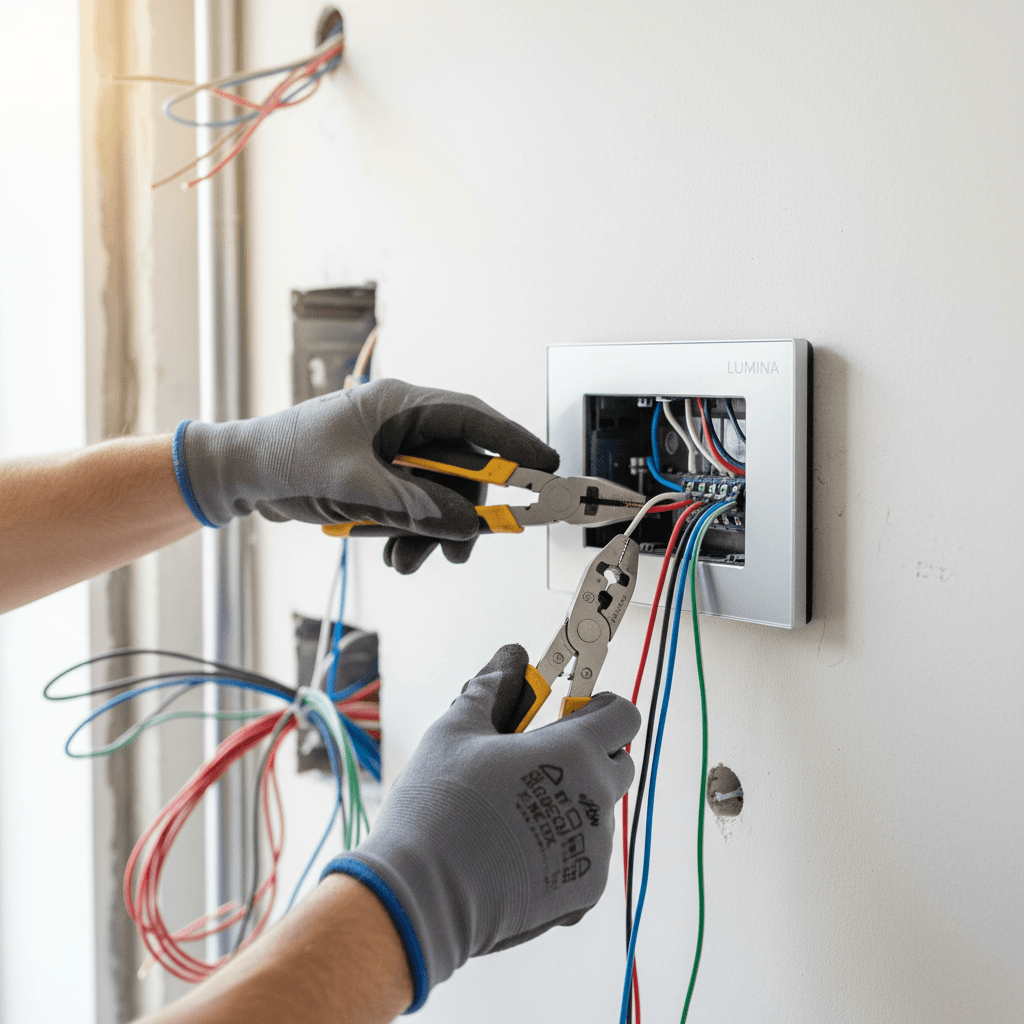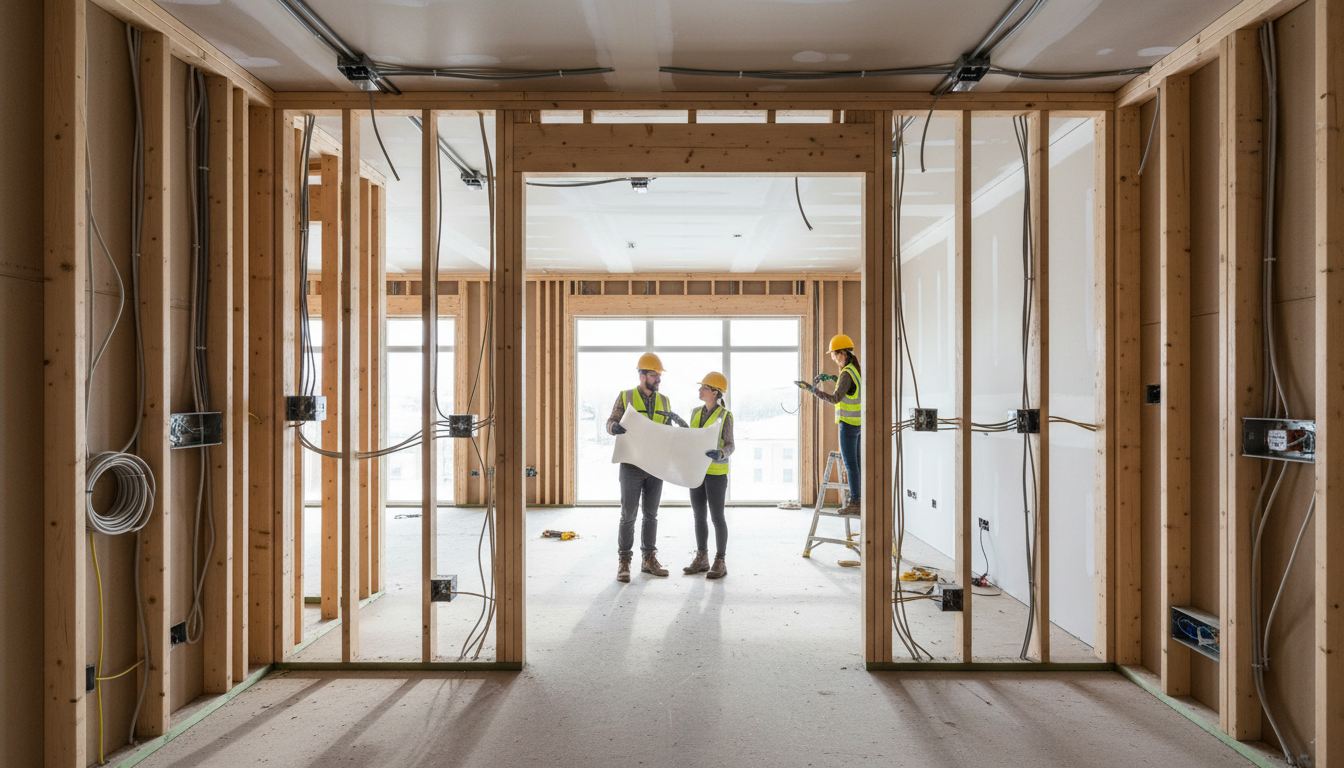
Comprehensive electrical planning new home build remodel North Texas focuses on assessing total power loads, strategically placing outlets for modern convenience, and integrating future-proof wiring for smart home systems. Homeowners should prioritize panel capacity and specialized room requirements during the initial design phase to avoid costly modifications once construction is complete.
Nothing is more frustrating than moving into your dream home in North Texas only to realize you forgot a floor outlet in the office or a dedicated circuit for your EV charger in the garage. Once the drywall is finished, these minor oversights transform from simple wiring tasks into expensive, invasive renovation projects. In our region, where high cooling demands and modern smart home technology require robust electrical infrastructure, the rough-in phase is your only chance to get the foundation right. At Bledsoe Electrical Services, LLC, we prioritize practical, future-proofed solutions that protect your investment and lifestyle. This article outlines ten essential questions you should ask your builder or electrician before the walls go up. We will cover everything from panel capacity and storm protection to exterior lighting, ensuring your new build or remodel is prepared for the unique demands of Texas living.
Why Electrical Planning is Critical During the Rough In Phase
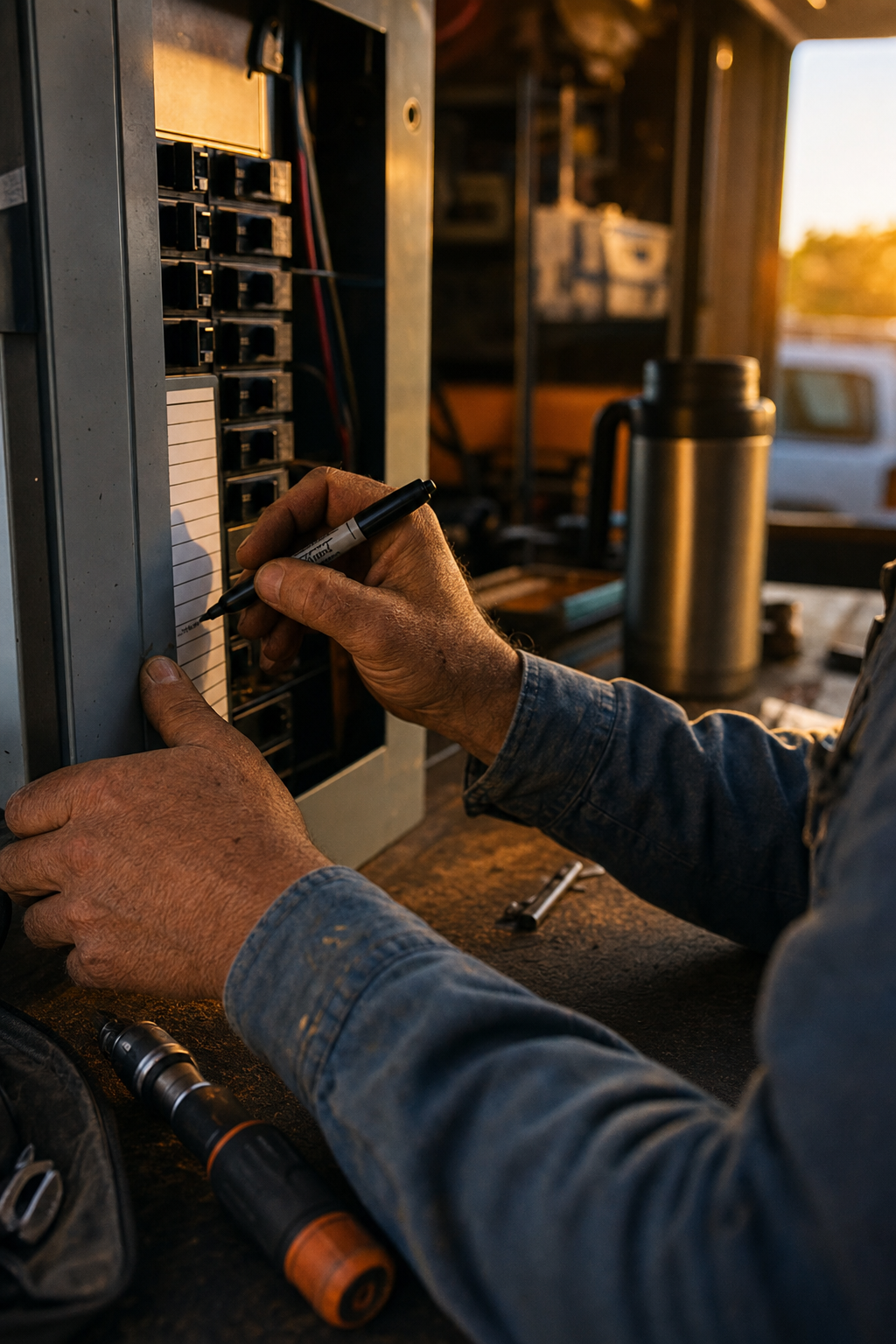
The rough in phase is the critical window in construction where electrical wires are pulled through the studs and secured in junction boxes, but before the drywall is hung to seal the walls. For anyone involved in electrical planning new home build remodel North Texas projects, this is the most cost effective time to finalize every switch and outlet location. In Grayson and Fannin counties, where custom residential construction is currently booming, homeowners often underestimate how quickly this window closes.
During this stage, our team has full access to the home's skeleton. Moving a light switch or adding a dedicated circuit for a home office is a straightforward task when the framing is exposed. However, once the walls are closed, the complexity of the work shifts significantly. Adding even a single outlet or a Cat6 data line after the drywall is finished often requires fishing wires through tight spaces and cutting into the new finish. This can easily triple the labor costs and add the additional expense of professional drywall repair and painting. Taking the time for a thorough walkthrough during the rough in ensures your home's infrastructure supports your lifestyle without the heavy price tag of post construction modifications.
1. Is a 200 Amp Panel Sufficient or Should We Plan for 400 Amp Service?
Modern standards have moved past the 100 or 150 amp services typical of older builds. Today, a 200 amp panel is the baseline for most residential projects. However, if your vision involves heavy electrical loads, 400 amp service is often the smarter investment. Large square footage and multiple HVAC units are common requirements to manage the North Texas climate; when combined with pool pumps, EV chargers, or detached workshops, a standard panel can reach capacity quickly. We recommend reviewing the signs your home needs an electrical panel upgrade to understand how load calculations impact your daily use.
In Grayson County, we must also account for utility hookup logistics. Many custom builds sit further from the road, and while standard utility connections often cover the first 50 feet of trenching and conduit, costs per foot can climb significantly for longer runs. Deciding on your service size during the electrical planning new home build remodel North Texas phase prevents expensive service upgrades once your landscaping and utility lines are set.
2. How Are We Preparing for Future EV Charger and Solar Needs?
Planning for service size naturally leads to how that power will be used in the coming years. As we approach 2026, electric vehicle adoption in Texas is projected to climb significantly. Future proofing your electrical planning new home build remodel North Texas project means preparing for these technologies while the studs are still exposed. We recommend pre-wiring for at least one Level 2 charger in the garage; this typically involves a dedicated 50 amp circuit. Even if you do not currently own an EV, having this infrastructure in place increases your home's resale value and simplifies your eventual transition. Our detailed guide on EV Charger installation explains why proper receptacle ratings and GFCI protection are vital for these high draw circuits.
Solar readiness is another critical consideration for homeowners in Grayson and Fannin counties. We suggest running a dedicated conduit from the main electrical panel to the attic during the rough in. This provides a clear, internal path for solar wiring, which prevents contractors from having to run unsightly exterior piping or cut into finished drywall later. This simple step can save you thousands in future labor costs and ensures your home is ready for the next generation of energy independence.
3. What High Speed Data and Smart Home Pre Wiring is Necessary?
Energy independence is only one half of the modern home infrastructure; the other is digital reliability. While wireless technology continues to advance, a robust hardwired backbone remains the foundation of a high-performance smart home. As we look toward 2026, relying solely on Wi-Fi for high-bandwidth tasks is a gamble. During the electrical planning new home build remodel North Texas phase, we recommend installing Cat6a or Cat7 cabling to critical locations like home offices, media rooms, and gaming hubs. These cables support up to 10Gbps speeds, providing the low-latency stability required for 8K streaming and professional video conferencing that wireless signals can't always guarantee.
To manage this complexity, every custom project should include a central structured wiring hub. This cabinet acts as the digital brain of the house, consolidating your modem, network switches, and security camera recorders into one organized location. We also suggest pre-wiring data drops in the ceilings for mesh access points; this ensures your future Wi-Fi 7 network has the necessary wired backhaul to deliver peak speeds across your entire floor plan.
4. Does the Kitchen Layout Include Dedicated Circuits for High Draw Appliances?
While digital infrastructure keeps you connected, the kitchen is where your home’s electrical system works the hardest. During the electrical planning new home build remodel North Texas phase, we prioritize going beyond the basic National Electrical Code (NEC) requirements. The 6/12 rule provides a baseline for outlet spacing on general walls, but kitchen counters demand much higher density; no point along the wall line should be further than 24 inches from a receptacle.
To ensure reliability, we install dedicated circuits for high-draw appliances like the refrigerator, microwave, and dishwasher. This prevents a tripped breaker when you are hosting and running multiple devices simultaneously. Modern Texas-style islands also require strategic power placement, often utilizing pop-up outlets or side-mounted boxes for convenience. For an added layer of sophistication, we recommend pre-wiring for under-cabinet LED lighting and installing hidden outlets inside pantries. These interior pantry plugs are ideal for charging cordless vacuums or powering small appliances like coffee makers, keeping your primary countertops clear of clutter and unsightly cords.
5. How are We Addressing Whole Home Surge Protection and North Texas Storms?
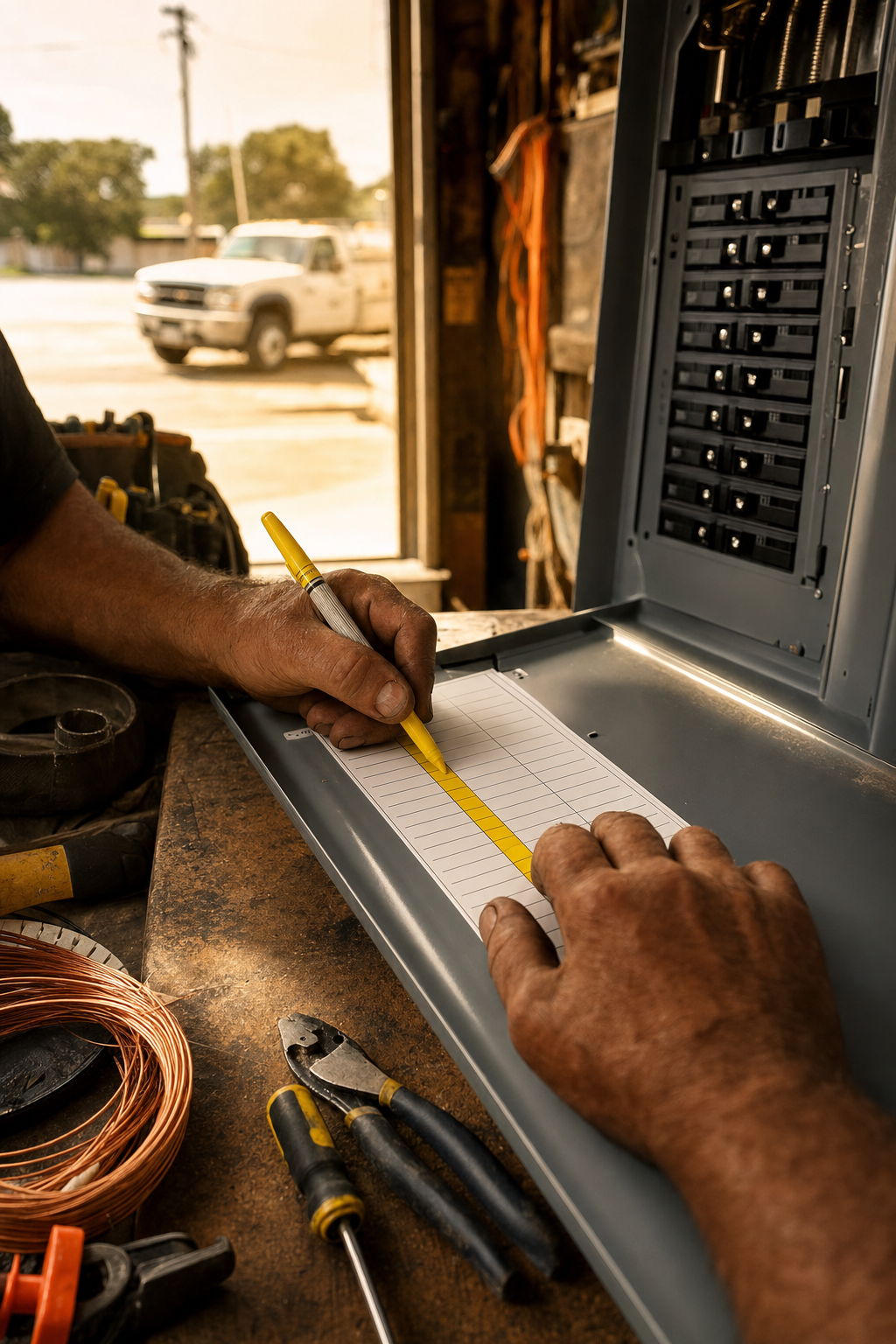
Clear counters and organized pantries are a visual win, but protecting the expensive appliances inside those cabinets requires a deeper level of security. In Denison and Sherman, North Texas summer storms bring more than just rain; they present a constant risk of high-voltage surges from lightning strikes and grid instability. During the electrical planning new home build remodel North Texas phase, we prioritize installing a panel-mounted surge protector.
Unlike standard power strips that only shield specific electronics, a panel-mounted device intercepts surges at the service entrance. This ensures every component of your electrical system is protected, including sensitive HVAC controls, smart refrigerators, and LED lighting drivers that are often vulnerable to spikes. Because utility fluctuations are common during severe weather, this professional-grade solution offers a layer of reliability that consumer-level hardware simply cannot match. Investing in whole house surge protection during the rough in phase provides peace of mind before the first storm cloud appears on the horizon.
6. Where Should Outlets and Switches Be Placed for Maximum Convenience?
Effective electrical planning new home build remodel North Texas projects often hinge on the small details that improve daily ergonomics. We apply the one hand rule for switch placement; every primary light switch should be located exactly where your hand naturally reaches as you enter a room or move through a hallway. This professional standard prevents the common frustration of fumbling for a switch behind a door swing or too far from a door frame.
In the master suite, consider installing secondary bedside switches. These allow you to control overhead lights or ceiling fans without getting out of bed, a luxury feature that is becoming a standard request in modern Grayson County custom builds. For the living area, large Texas-style great rooms often feature floating furniture layouts positioned away from the walls. To avoid running hazardous extension cords across your flooring, we recommend installing recessed floor outlets during the rough in phase. These provide discreet power for reading lamps or motorized recliners directly beneath your seating, maintaining a clean and safe aesthetic while providing maximum functionality.
7. What are the Plans for Exterior Power and Holiday Lighting?
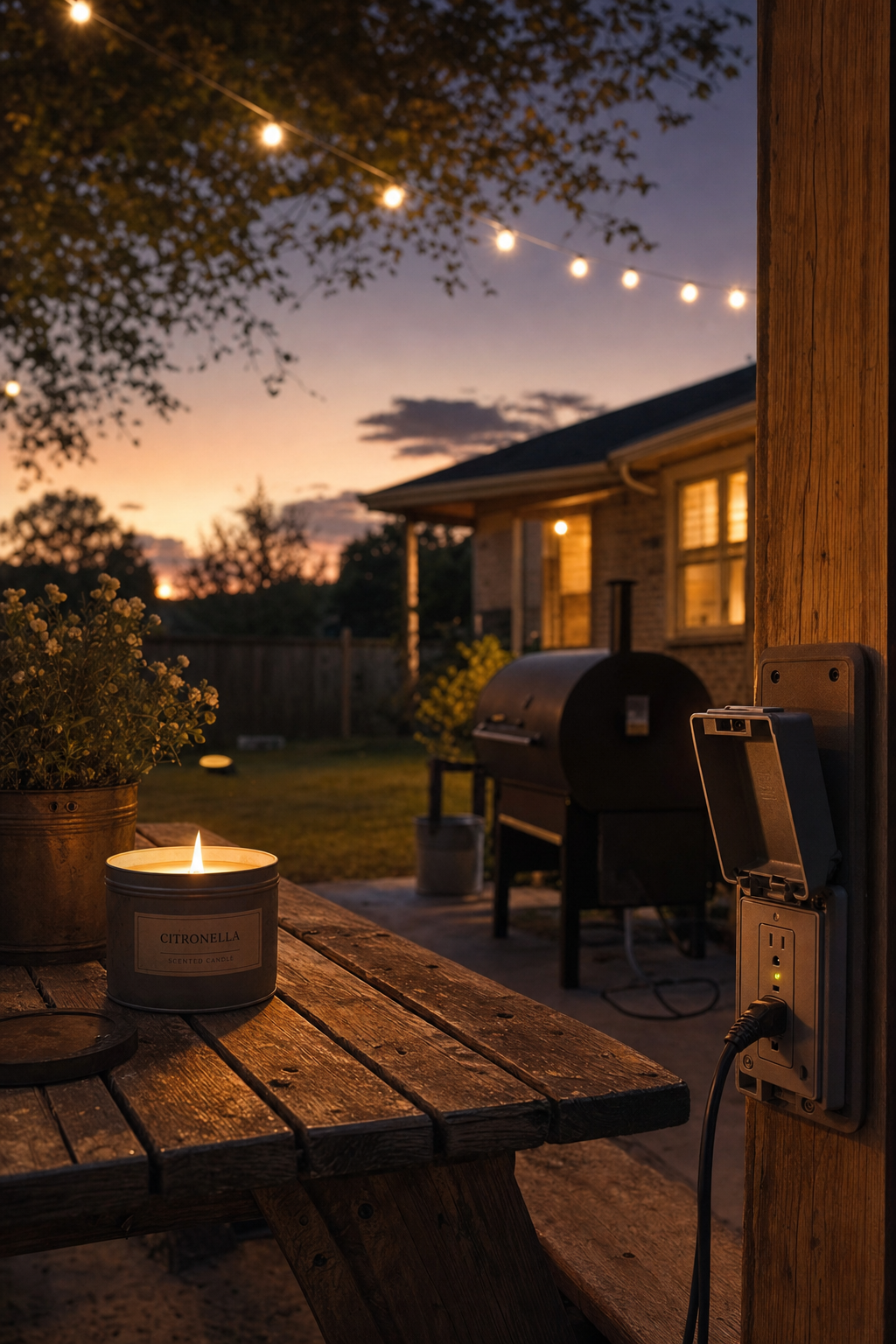
Planning for exterior functionality is often overlooked during the electrical planning new home build remodel North Texas phase, yet it defines your home’s curb appeal and usability. One of the most requested custom features in Grayson County is the installation of Christmas light outlets tucked into the eaves. By placing these receptacles high on the roofline and wiring them to a dedicated indoor switch or a smart timer, you eliminate the need for dangerous ladders and tangled extension cords each winter.
Beyond the holidays, your outdoor living spaces require significant power. A well-equipped patio needs circuits for ceiling fans, televisions, and high-wattage appliances in an outdoor kitchen. If you are considering a pool or hot tub, we must plan for dedicated pump circuits and grounding systems early in the rough in. Texas electrical code requires all exterior outlets to be GFCI protected and housed in extra-duty weather-proof covers. This ensures your outdoor entertainment remains safe during the heavy humidity and sudden downpours typical of our local climate.
8. Are There Provisions for a Whole Home or Portable Generator?
Given the recent history of the Texas power grid, backup power has shifted from a luxury to a necessity for Grayson County residents. During the electrical planning new home build remodel North Texas phase, you must decide between a permanent standby unit and a portable setup. A whole home generator is permanently installed outside and engages automatically via an automatic transfer switch when utility power fails. This requires specific heavy gauge wiring and control lines to be run from the main panel to the generator site while the studs are exposed.
Alternatively, you can prepare for a portable generator by installing a manual transfer switch or an interlock kit along with an exterior power inlet box. This allows you to safely plug in a portable unit to power essential circuits like your well pump, refrigerator, and HVAC blower without the risks of backfeeding the grid. Reviewing our guide on whole home generator vs portable generator can help you determine which capacity suits your budget and lifestyle. Integrating these provisions now prevents the need for expensive trenching or interior wall repairs once your landscaping and finishes are complete.
9. How Will We Ensure Code Compliance for GFCI and AFCI Protection?
Following the selection of your backup power strategy, we focus on the fundamental safety devices required by the National Electrical Code (NEC). Texas regularly adopts updated versions of these standards, and during the electrical planning new home build remodel North Texas phase, we ensure every circuit meets current mandates. Arc Fault Circuit Interrupter (AFCI) protection is essential in bedrooms and living areas to detect dangerous arcing that could spark a fire.
Conversely, Ground Fault Circuit Interrupter (GFCI) protection is mandatory in wet zones, including bathrooms, kitchens, and garages, to prevent electrical shocks. Our team meticulously verifies these protections during the rough in stage, ensuring every circuit is correctly mapped to its specific protection requirement. This rigorous attention to detail ensures your project remains compliant with local Grayson County codes and provides a secure environment for your family before the walls are sealed.
10. Can We Coordinate a Final Walkthrough Before the Drywall Goes Up?
Requesting a formal rough in walkthrough is your final opportunity to verify the physical layout of your electrical planning new home build remodel North Texas project. During this site visit, compare the installed boxes against your blueprint to ensure every outlet, data drop, and switch is present. Verifying these details now prevents the frustration of discovering a missing pantry plug or a crooked vanity light box after the drywall finishers have left the site.
Feature to Inspect | Professional Standard |
|---|---|
Box Consistency | Standardized heights (12 inches for outlets, 48 inches for switches) |
Wire Management | Runs are straight, stapled securely, and centered in studs |
Specialty Plugs | Floor outlets and Christmas light eave plugs are in the correct positions |
Hub Readiness | Structured wiring cabinet is located in the agreed upon climate controlled space |
Observe the wire runs within the framing; professional work features straight, secure lines and tidy junction boxes. Ensure that any custom elevations for wall mounted monitors or kitchen backsplashes are exactly as specified. This walkthrough is the definitive point where adjustments are simple and inexpensive, providing the last chance to perfect your home's infrastructure before it is hidden behind drywall for decades.
Taking the time to plan your electrical layout ensures that your new home remains functional and safe for years to come. By asking these questions before the walls go up, you avoid costly changes later. If you want expert help navigating the complexities of a major build or remodel in North Texas, you can learn more about our commitment to precision and safety. We are here to provide the professional guidance needed to ensure your electrical system is perfectly tailored to your lifestyle.