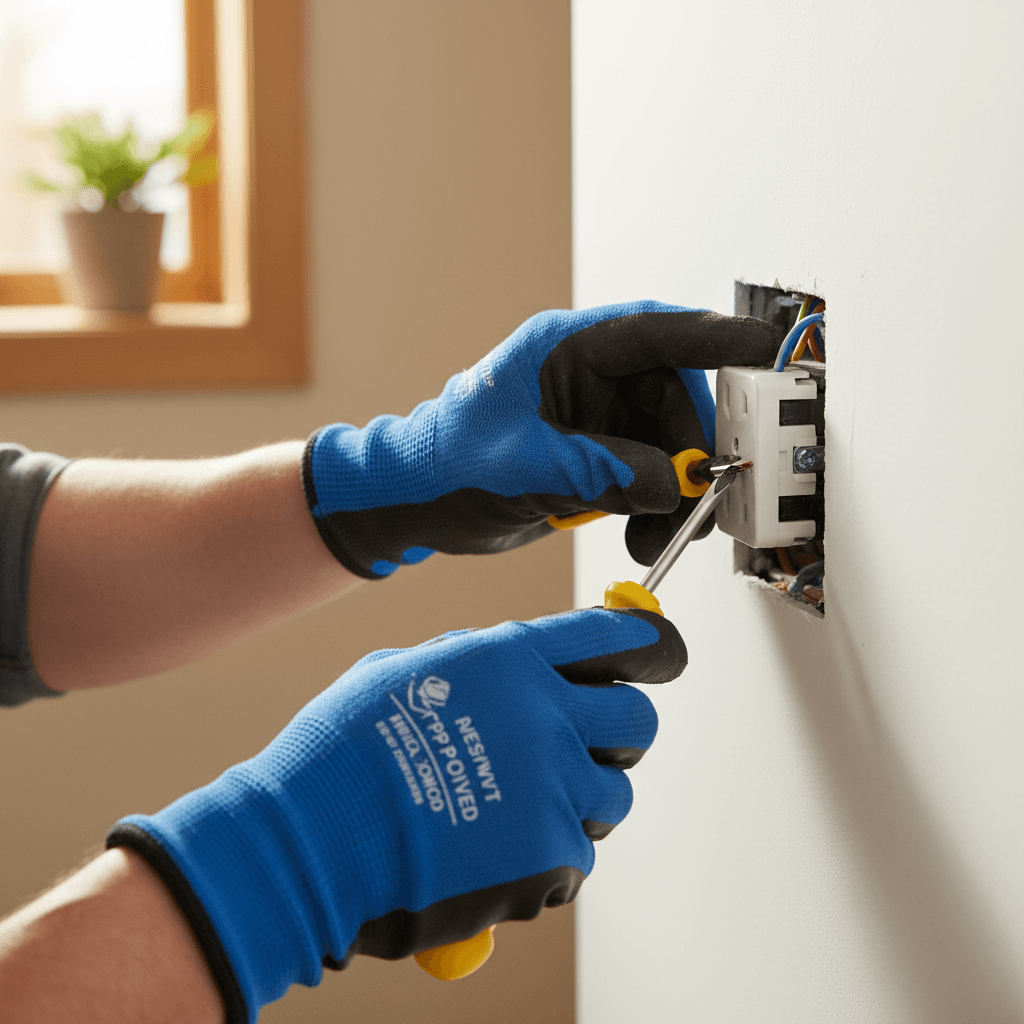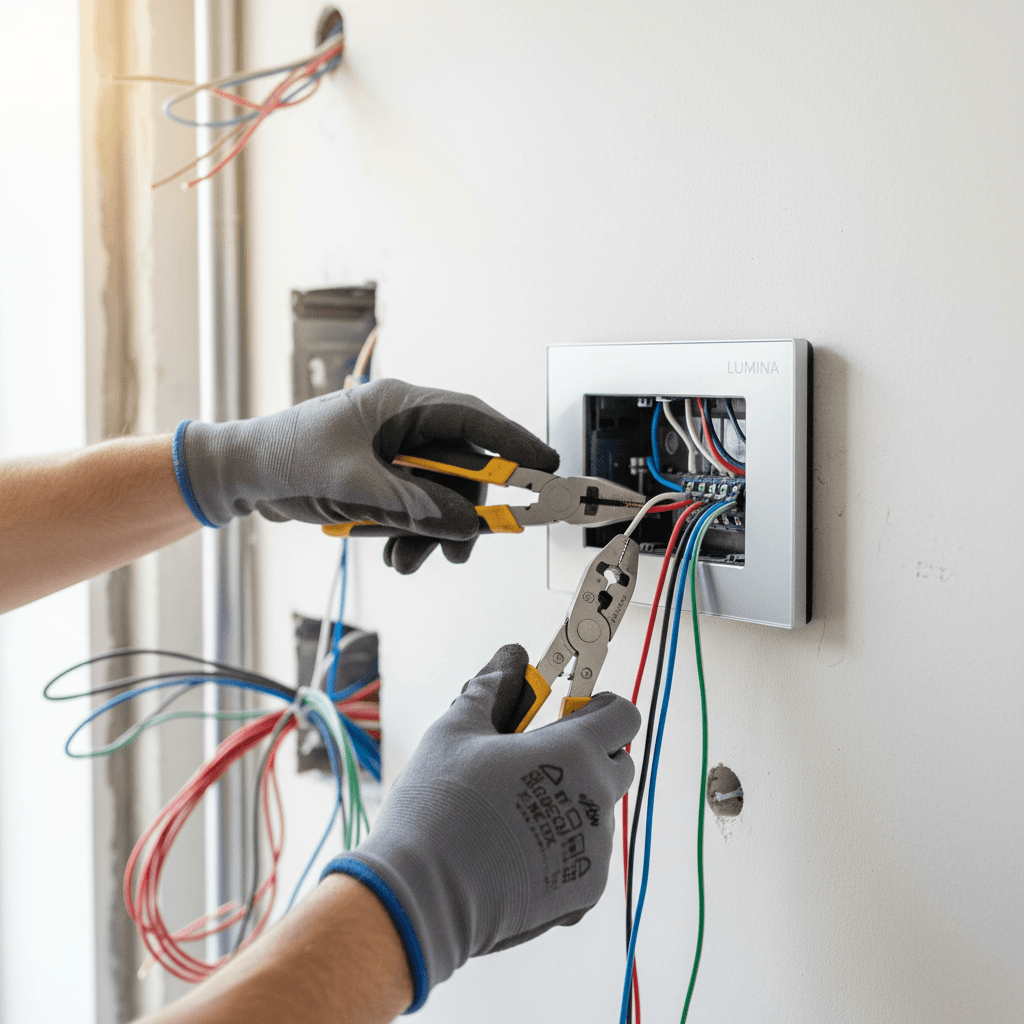
Common electrical code violations older homes North Texas properties frequently exhibit include outdated ungrounded wiring, a lack of GFCI or AFCI protection, and incorrectly sized circuit breakers. Many older residences also face issues with overcrowded electrical panels and improper grounding; these deficiencies pose serious fire risks and must be updated to comply with current National Electrical Code standards.
Owning a historic home in Denison or a charming property in Grayson County offers a unique sense of character, yet the electrical systems hidden behind those walls often struggle to meet modern expectations. Many homeowners deal with the persistent frustration of flickering lights, tripping breakers, or the anxiety of relying on outdated infrastructure that was never designed for today's high power appliances. These issues are rarely just minor inconveniences; they are frequently symptoms of significant electrical code violations that pose serious safety risks. At Bledsoe Electrical Services, LLC, we understand that maintaining a safe home requires a precise balance of expertise and local knowledge. In this guide, we will examine the most common code violations found in older North Texas residences, including hazardous wiring, missing circuit protection, and improper grounding. You will gain the practical insights needed to identify these hidden dangers and ensure your home remains both compliant and secure.
Why Electrical Codes Matter for Older Denison and Grayson County Homes
Denison is defined by its rich architectural history, from the Victorian homes in our historical districts to the mid-century builds scattered across Grayson County. While these properties offer undeniable character, their electrical systems were often designed for an era that preceded modern high-draw appliances, electric vehicles, and sophisticated home electronics. Many homeowners assume that because their house passed inspection in 1950 or 1970, the wiring remains safe. However, the National Electrical Code (NEC) is updated every three years to reflect new safety data and technological advancements. What was considered standard fifty years ago may now be a serious fire or shock hazard.
As of September 1, 2023, the Texas Department of Licensing and Regulation (TDLR) adopted the 2023 NEC as the mandatory standard for all electrical work in Texas. This update addresses modern risks that older systems simply weren't built to handle. Finding common electrical code violations older homes North Texas residents face is a routine part of our inspections, as many legacy systems lack the safeguards required by current law. Maintaining your home's integrity requires moving beyond "grandfathered" status to ensure your family is protected. If you are concerned about the status of your vintage wiring, you can contact our licensed electricians to evaluate your system. Our team specializes in providing professional electrical solutions that bridge the gap between historic charm and modern safety requirements.
The Hazards of Outdated Wiring: Knob and Tube and Aluminum
In our experience inspecting properties in Grayson County, we frequently encounter two specific types of legacy wiring that represent common electrical code violations older homes North Texas residents should address. These systems were appropriate for their time but cannot safely support the electrical demands of a 21st century household.
Knob and tube wiring, prominent in Denison homes built before 1940, consists of single insulated copper conductors run through porcelain tubes and supported by knobs. Homeowners often ask: Why is knob and tube wiring dangerous? The primary issue is that it lacks a dedicated grounding conductor. This makes it impossible to safely use modern three-prong appliances, as there is no designated path for a fault current to follow. Furthermore, knob and tube was designed to dissipate heat into open air. In many Texas home renovations, contractors or DIYers pack attics with modern fiberglass or spray foam insulation to combat the summer heat. This smothers the wires, traps heat, and significantly increases the risk of the rubberized cloth insulation reaching its ignition point.
Moving into the mid 1960s and 1970s, many local builds utilized solid aluminum wiring. Aluminum poses hazards caused by thermal expansion and cold flow. Because aluminum expands and contracts at a much higher rate than copper when electricity flows through it, connections at switches and outlets eventually loosen. This cycle leads to cold flow, where the metal permanently deforms under the constant pressure of the terminal screw. Once the connection becomes loose, oxidation occurs, creating high resistance and intense heat at the point of contact. This process often goes unnoticed until an outlet melts or a fire starts behind the drywall.
If your home contains these materials, a comprehensive electrical panel upgrade or a targeted rewire is often the only way to meet 2023 NEC standards. You can contact our Denison electricians to perform a thorough inspection and determine if your legacy wiring requires replacement with modern professional electrical solutions to ensure your property remains safe and insurable.
Missing GFCI and AFCI Protection in Living Areas
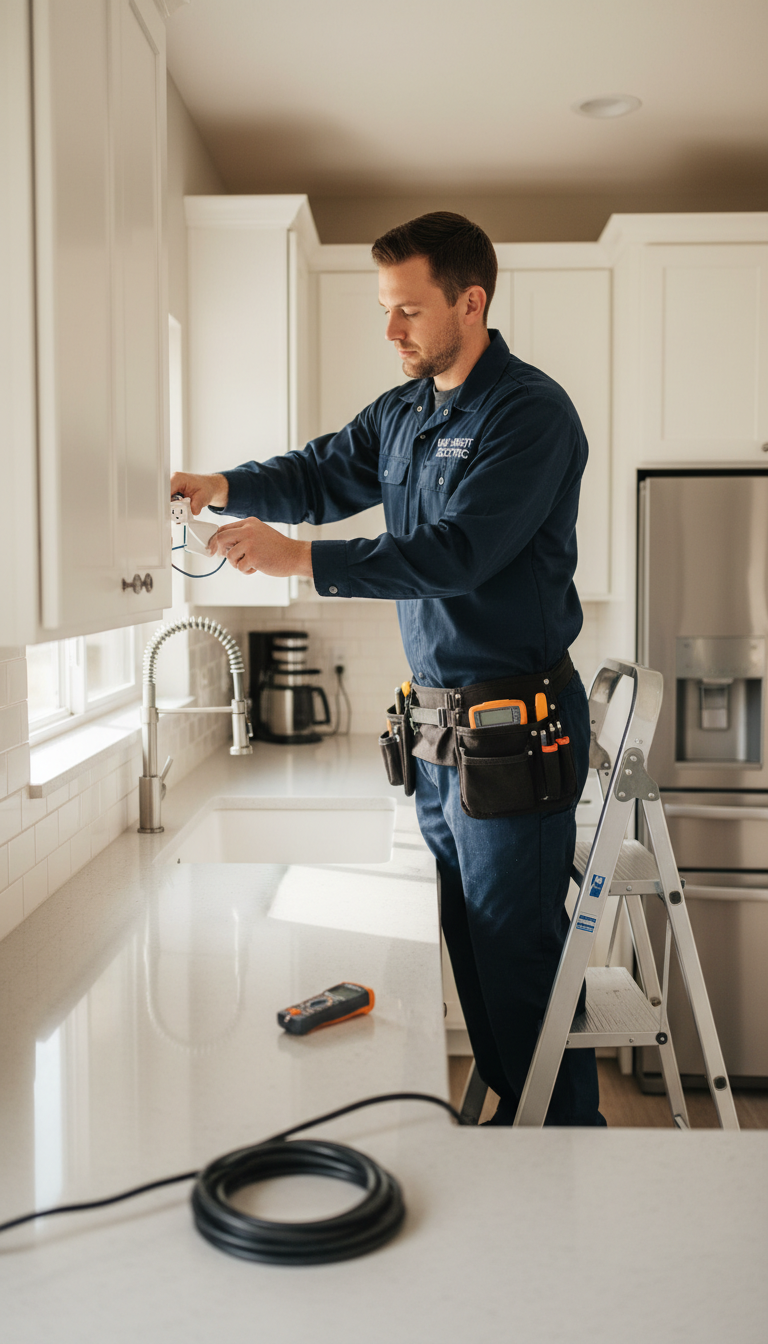
Beyond the physical wiring materials, modern safety relies on specific types of circuit protection that were virtually nonexistent in older builds. Ground Fault Circuit Interrupter (GFCI) protection was not mandated for most residential areas until the late 1970s. These devices are life safety tools designed to prevent electrocution by sensing current leaks in wet areas like kitchens, bathrooms, and outdoor outlets. If your Denison home still relies on standard receptacles near water sources, it represents a significant safety gap that should be addressed during any renovation.
Arc Fault Circuit Interrupter (AFCI) protection serves a different but equally critical purpose. While GFCIs protect people from shock, AFCIs protect the structure itself from fire by detecting dangerous arcing caused by damaged or frayed wires. The 2023 NEC has expanded AFCI requirements to cover almost all living areas, including bedrooms, dining rooms, and hallways. This protection is vital in North Texas homes where original insulation may have become brittle over several decades, increasing the risk of hidden sparks behind the drywall.
Spacing is also a major factor in modern compliance. Many homeowners ask our team: What is the 2 6 12 rule for outlets? Modern code requires that no point along a floor line in any wall space be more than six feet from a receptacle. Specifically, an outlet must be installed within six feet of a doorway or wall break, and then every twelve feet thereafter. This standard was established to eliminate the permanent use of extension cords, which are frequent contributors to the common electrical code violations older homes North Texas homeowners encounter. Bringing your home up to these standards often involves more than just swapping outlets; it may require professional electrical solutions to ensure your circuits can handle the new load. If you are concerned about your current outlet layout, you can contact our Denison electricians to evaluate your home for these safety gaps.
The Problem with Two-Prong Outlets and Improper Grounding
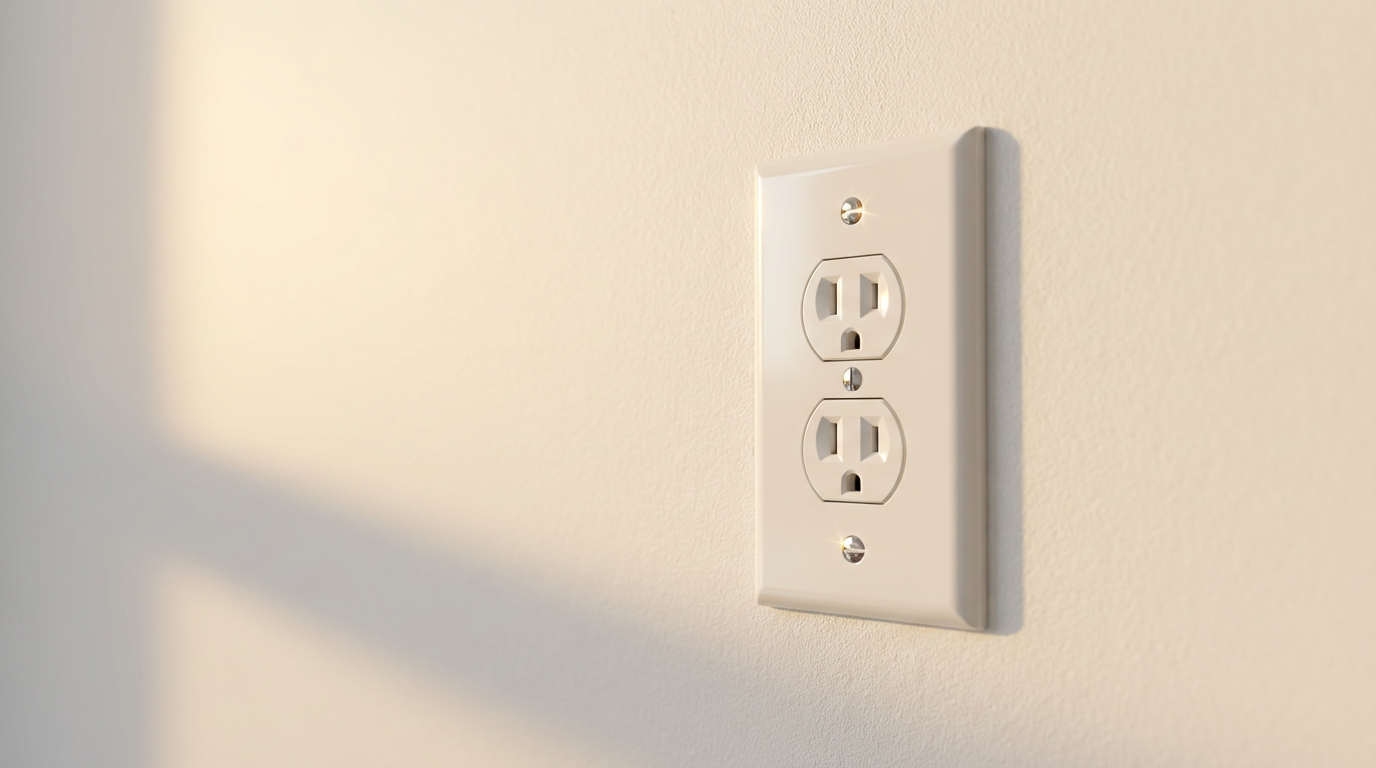
Walking through many of Denison’s older neighborhoods, two-prong outlets remain a common sight. These receptacles are a clear indicator that the home utilizes a legacy two-wire system which lacks a dedicated equipment grounding conductor. The ground wire serves as a vital safety path, directing excess electricity safely into the earth in the event of a fault. Without it, you are at a higher risk for electrical shock and equipment damage.
A dangerous and frequent example of the common electrical code violations older homes North Texas residents face is the installation of ungrounded three-prong receptacles. This occurs when a homeowner replaces an old two-prong outlet with a modern three-prong version without actually connecting a ground wire. This "cheat" provides a false sense of security. While your devices will plug in, they lack the protection needed for sensitive electronics like computers, smart home hubs, and modern HVAC systems. In the intense North Texas heat, your air conditioning unit relies on consistent, stable power; a lack of proper grounding can lead to fried control boards and expensive repairs.
The 2023 NEC requires that if a ground is not present, you must either rewire the circuit or install GFCI protection with specific labeling. To ensure your home meets these rigorous standards, you can contact our North Texas electricians for a safety evaluation. Implementing professional electrical solutions is the only way to safeguard your modern technology from the limitations of mid-century infrastructure.
Outdated Electrical Panels and Overloaded Circuits

While ungrounded outlets are a visible symptom of an aging system, the most significant risk often resides in the electrical panel, the physical heart of your home’s power distribution. Many older residences in Denison still operate on 60-amp or 100-amp service. In the 1950s, this was ample for a few lights and a radio, but it is insufficient for the demands of modern North Texas lifestyles. Between high-efficiency HVAC units struggling against Grayson County summers, electric vehicle chargers, and high-end kitchen appliances, these legacy panels are frequently pushed beyond their designed capacity.
Beyond capacity issues, specific hardware brands found in 1970s Texas homes pose severe safety risks. Federal Pacific Electric (FPE) Stab-Lok panels and Zinsco equipment are notorious among licensed electricians. These units are documented for failing to trip during a circuit overload or short circuit. When a breaker refuses to trip, the current continues to flow, leading to overheating and, eventually, electrical fires. These brands are no longer considered safe by modern standards and are a primary reason homeowners seek an electrical panel upgrade.
During inspections, we also frequently find "double-tapping." This occurs when two separate circuit wires are connected to a single breaker terminal designed for only one. This violation creates loose connections and potential arcing, which are common electrical code violations older homes North Texas properties exhibit. If your panel is crowded, has mismatched breakers, or shows signs of scorching, you should contact our Licensed professionals immediately. Implementing professional electrical solutions ensures your system can safely handle today’s loads without risking a catastrophic failure.
The Danger of DIY Splices and Overcrowded Junction Boxes
While overloaded panels are a structural concern, the most immediate fire risks often stem from improper modifications made by previous owners or unlicensed handymen. We frequently find "flying splices" in Denison attics and crawlspaces. These occur when wires are joined together with wire nuts but left exposed rather than being housed inside a secured, covered junction box. This is a major safety breach; if a connection arcs or overheats, there is no enclosure to contain the sparks, allowing them to ignite nearby wood or insulation. Similarly, overcrowded junction boxes violate "box fill" calculations mandated by the NEC. Jamming too many conductors into a single box prevents heat dissipation and can physically damage wire insulation, leading to short circuits.
A question we often hear from residents is: Can a homeowner do his own electrical work in Texas? Under state law, you are generally permitted to perform electrical work on your own primary residence. However, this work must still adhere strictly to the 2023 NEC standards. In municipalities like Denison, most significant electrical projects require a formal permit and a follow-up inspection to ensure safety. For many homeowners, the risks of unintentional common electrical code violations older homes North Texas properties often harbor outweigh the savings of DIY. Investing in professional electrical solutions ensures your system is documented for insurance purposes and passes home inspections during a future resale. To verify the safety of previous renovations in your home, you can contact our licensed electricians to perform a thorough code compliance audit.
Signs Your Older North Texas Home Has Code Violations
Identifying current safety gaps often starts with observing how your home reacts to daily electrical demands. If your property was built before 1980 and hasn't been rewired, it almost certainly harbors at least one instance of common electrical code violations older homes North Texas residents typically encounter. These legacy issues often remain hidden until the system is pushed to its limit.
Use this checklist to evaluate your home for potential hazards: - Lights that flicker or dim momentarily when the air conditioner or a large appliance cycles on. - Receptacle covers that feel warm to the touch or show discolored, charred plastic around the slots. - A faint, persistent ozone or burning smell originating near the main breaker panel or specific outlets. - Circuit breakers that trip repeatedly when using basic kitchen appliances or hair dryers. - Evidence of rust or moisture inside the electrical panel enclosure.
These symptoms suggest that your infrastructure is struggling to keep pace with modern consumption. A frequent trip often indicates an overloaded circuit or an aging breaker that requires an electrical panel upgrade to maintain safety. To verify your system’s status against the 2023 NEC, you can contact our Denison electricians for a detailed assessment. Implementing professional electrical solutions ensures these red flags are addressed before they escalate into hazardous failures.
Keeping an older home safe means staying ahead of common code violations like improper grounding or overloaded circuits. Identifying these issues is an essential first step, but resolving them safely often requires a professional touch. If you want expert help with a dedicated inspection or necessary repairs, please feel free to look through our available Services. Ensuring your electrical system meets modern safety standards is a vital investment in your home, and we are here to provide the specialized guidance you need.